
Lima Street Food Guide: What to Eat and Where to Try It
Quick Answer
Pariwana’s travel blog gathers articles for young travelers about Peru, Lima, Cusco, local culture, food, adventure, budget travel and practical tips.
Key takeaways
Lima’s street food mixes coastal, Andean, criollo and market-style flavors.
Great first bites include anticuchos, picarones, emoliente, tamales and criollo sandwiches.
Miraflores, Barranco and the Historic Center are practical areas for travelers.
Choose busy stalls with visible hygiene and food prepared on the spot.
Staying in Miraflores makes it easier to connect food, nightlife, walking routes and transport.
Introduction
You do not really understand Lima only by visiting museums, oceanfront parks or famous restaurants. You also understand it by standing next to an anticucho grill, sipping emoliente on a cool evening, sharing picarones after a walk through Barranco or grabbing a criollo sandwich before going out.
For backpackers and young travelers, Lima street food has two big advantages: it brings you closer to local life and it is usually more affordable than eating in touristy restaurants. It also shows you the personality of each neighborhood. Miraflores is practical, Barranco is artsy, the Historic Center is intense, and markets are full of everyday Lima energy.
This guide covers what to eat, where to try street food in Lima and how to do it safely, without exact prices or fixed opening hours, because those details change by season, neighborhood and stall.
Why Lima is a great city for street food
Lima is one of Peru’s best food cities because it brings together flavors from the coast, the Andes, the Amazon and several migration waves that shaped Peruvian cuisine. On the street, that mix becomes simple but powerful: grilled skewers, fried sweets with syrup, warm herbal drinks, sandwiches with criollo sauces and corn-based snacks.
Lima cuisine includes classics like causa, tamales and ají de gallina, plus popular street-style dishes such as anticuchos. The best approach is not to try everything in one day. Lima is better enjoyed in layers: a snack in the afternoon, a hot drink in the evening, something sweet after walking and a market stop when you have more time.
What to eat in Lima: street food worth trying
Anticuchos
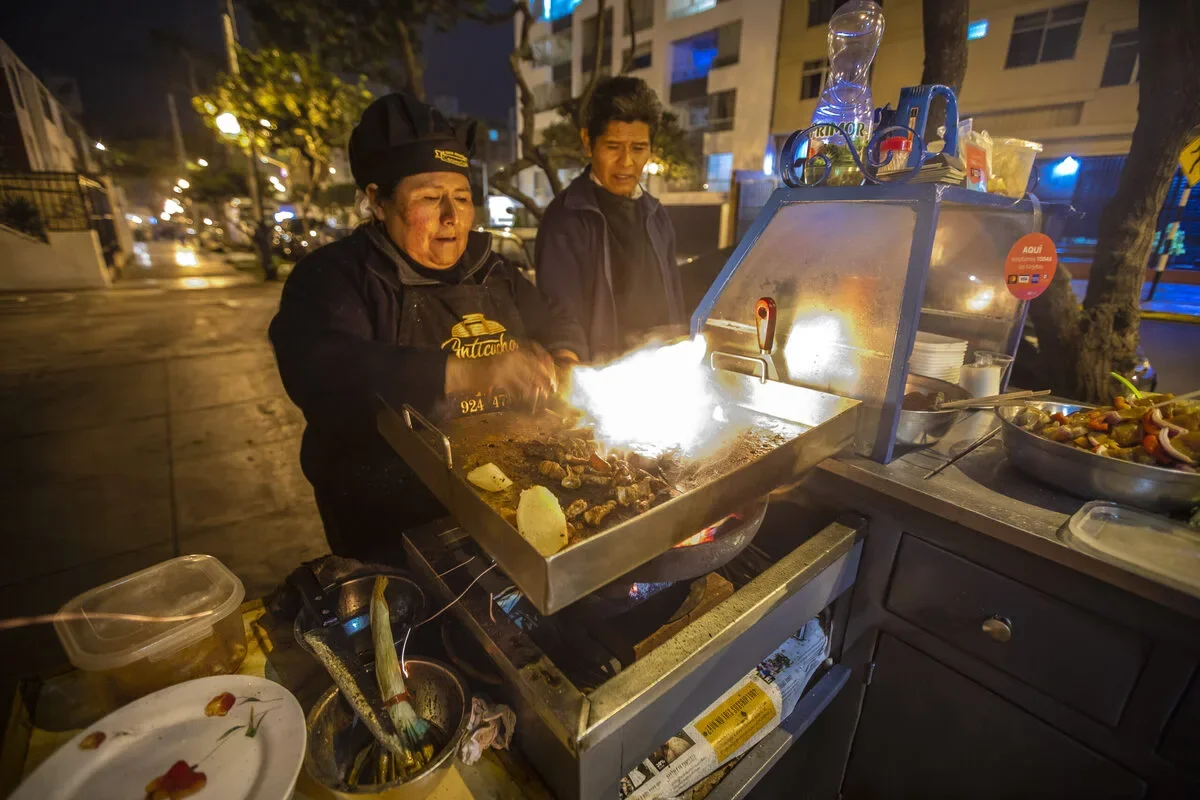
Anticuchos are a must if you want to try real Peruvian street food. The classic version is made with marinated beef heart cooked over a grill and usually served with potato, corn and chili sauce. The flavor is smoky, bold and very Limeño.
If it is your first time, look for a busy grill with fast turnover. Do not be scared by beef heart: when it is well cooked and seasoned, the texture surprises many travelers in a good way. You may also find chicken or other meat versions, but beef heart is the classic.
Picarones
Picarones are the perfect street dessert after a walk. They are fried rings made from a dough that usually includes squash and sweet potato, served with chancaca syrup. They are sweet, warm and easy to share.
They work especially well after exploring Barranco, walking through parks or coming back from the oceanfront. Order a portion with friends and try them fresh.
Emoliente
Emoliente is a warm drink that is very popular in Lima, especially in the afternoon and evening. It is usually made with herbs, flaxseed, barley and other ingredients that vary by vendor. For many locals, drinking emoliente on the street is a classic urban ritual.
It is a good choice when Lima feels gray, humid or chilly. Every vendor has their own mix, so you can ask for it lighter, sweeter or with lemon.
Tamales and humitas
Tamales are a filling breakfast or snack option made with seasoned ground corn and often filled with pork, chicken or other ingredients. Humitas are usually softer and may be sweet or savory.
In Lima, you can find them in markets, bakeries, neighborhood stalls and criollo-style breakfasts. A tamal with bread and salsa criolla is a simple way to start.
Criollo sandwiches
Criollo sandwiches are a big part of Lima’s fast-food culture. They may come with pork, country-style ham, turkey, chicken, salchicha huachana or other fillings, often with sauces, sweet potato or onion depending on the place.
For backpackers, they are practical because they are filling, quick and easy before a walk or after a night out. If you do not eat meat, look for options with cheese, avocado or egg where available.
Corn with cheese
Simple, affordable and very Peruvian: large corn kernels served with fresh cheese. It is one of those snacks you can eat while walking, especially in tourist areas, markets or fairs.
It is a good option if you want something lighter than fried food or if you want a first taste of Andean flavors without sitting down for a full meal.
Causa
Causa is not always “street food” in the strictest sense, but you will find it in markets, casual counters and quick lunch spots. It is made with seasoned yellow potato and fillings such as chicken, tuna, seafood, avocado or vegetables.
It is fresh, soft and a great way to try a Lima classic without going to a formal restaurant. Choose places with good refrigeration and turnover, especially if the causa includes mayonnaise or seafood.
Ceviche
Ceviche is one of Peru’s most important dishes, and UNESCO recognizes the practices and meanings associated with its preparation and consumption as Intangible Cultural Heritage of Humanity. In Lima, trying ceviche is almost essential, but it is worth being more careful than with grilled or fried foods because it uses fresh fish.
Choose cevicherías, trusted markets or places with high turnover and a clean appearance. Avoid ceviche that looks like it has been sitting out too long. For your first time, order a classic version and ask how spicy it is before adding extra chili.
Where to try street food in Lima
Miraflores
Miraflores is one of the easiest areas to start if it is your first time in Lima. It has tourist movement, parks, oceanfront walks, cafés, nearby markets and easy access to other neighborhoods. It is not always the cheapest area in the city, but it is practical for snacks, sandwiches, desserts and quick bites.
If you stay at Pariwana Lima, Miraflores works as a convenient base for eating out, walking to the coast, connecting with Barranco or taking transport to the Historic Center.
Barranco
Barranco has a more artistic and bohemian vibe. It is perfect for slow walks, desserts, casual food before a night out and a mix of bars, music and murals. In busy areas, you can find easy food stops and snacks for an afternoon with friends.
A good plan is to walk around the neighborhood and follow the Bohemian Barranco route to combine viewpoints, historic streets and food stops along the way.
Historic Center
Lima’s Historic Center is intense, chaotic and full of history. It is also a place to find traditional flavors, sandwiches, sweets, juices, affordable meals and stalls with local movement. It is ideal if you want to combine food with plazas, churches, colonial balconies and old streets.
To make it easier, check a Lima Historic Center route and plan your stops during daylight. As in any big urban center, keep your belongings close, avoid showing valuables and use reliable transport when returning.
Local markets
Markets are one of the best ways to understand how Lima eats. You can find juices, fruit, breakfasts, tamales, home-style meals, ceviche, soups, sandwiches and snacks. The experience is more local than touristy, so walk in respectfully, see where there is movement and ask before ordering.
In markets, choose stalls with fresh ingredients, clean tables and constant turnover. If you are not used to street eating, start with cooked dishes and bottled drinks, and save raw seafood for places that feel trustworthy.
Tips for eating street food in Lima
Eating street food in Lima can be a great experience if you use common sense. You do not need to stress, but you should observe before ordering.
Pick stalls where locals are lining up. Turnover is usually a good sign because food does not sit around for too long. Also check whether the food is prepared on the spot, whether money and food are handled carefully, and whether the stall looks clean.
Carry cash in small bills or coins. Many stalls do not take cards, and large bills can be inconvenient. Hand sanitizer is useful too, although it does not replace washing your hands when possible.
Ask about spice. In Peru, a sauce that looks harmless can be strong for travelers who are not used to chili. Say “poquito ají” if you want just a little.
Watch your belongings, especially in crowded areas. Do not leave your phone on the table, do not hang your backpack behind your chair and avoid walking distracted with your phone in your hand.
With ceviche and seafood, be more selective. It is better to eat them in trusted places with high turnover and fresh product. For very informal stalls, prioritize cooked, fried or grilled dishes.
Easy foodie route if you stay in Miraflores
A simple first street food route could start in Miraflores with a light snack, continue toward Barranco for something sweet or a drink, and save the Historic Center for another day when you have more time.
From Miraflores, you can walk through parks, try a criollo sandwich or a quick bite, go down toward the oceanfront and then head to Barranco. For a more organized plan, check the Lima travel guide for backpackers and combine food with neighborhoods, transport and budget-friendly plans.
For a fuller day, spend the morning or afternoon in the Historic Center, return to Miraflores and end with picarones, emoliente or a late snack. Do not try to cover too many areas in one outing: Lima is big and traffic can change your plans.
Pariwana Lima as a base for food exploring
If your goal is to taste the city without making things complicated, Miraflores works well as a starting point. You are close to the ocean, connected to Barranco, surrounded by traveler-friendly movement and within reach of transport. For anyone looking for a hostel in Lima with a social atmosphere, Pariwana Lima can be a comfortable base for exploring, meeting other travelers and making foodie plans together.
After trying anticuchos, picarones or a great sandwich, coming back to a hostel with common areas keeps the experience going: you compare tips, ask the staff, meet someone for the next day and decide which neighborhood comes next.
If you are planning your Peru trip and want to combine food, culture and social travel, you can book your stay at Pariwana Lima and make the city your first big bite of Peru.
Frequently asked questions
What is the most typical street food in Lima?
Some very typical options include anticuchos, picarones, emoliente, tamales, criollo sandwiches and corn with cheese. You can also try causa and ceviche in markets or casual places, choosing spots with good hygiene and high turnover.
Is Lima street food safe?
It can be safe if you choose carefully. Look for busy stalls, food prepared on the spot, clean surfaces and good turnover. With ceviche, seafood or cold dishes, be more selective and choose trusted places.
Where can I try street food near Miraflores?
Miraflores has snacks, sandwiches, desserts and nearby markets. You can also move easily toward Barranco, a great area for casual food, walking and nightlife. For a more traditional experience, save time for the Historic Center.
What Lima street food should backpackers try first?
Start with anticuchos, picarones, emoliente, tamales and a criollo sandwich. If you want something fresh, try causa or ceviche in a trusted place. For something simple and affordable, look for corn with cheese or market juices.
How much does street food cost in Lima?
It depends on the neighborhood, stall and dish. In general, street snacks and markets tend to be more affordable than tourist restaurants, while very busy or touristy areas can charge more. Carry small cash and check prices before ordering.
What is the best area to stay in Lima if I want to eat well?
Miraflores is one of the most practical areas for travelers because it is well connected, has varied food options and makes it easy to reach Barranco, the Historic Center and other neighborhoods. It is also a good base if you want a social hostel atmosphere.
Sources checked
Peru.travel – Cuisine of Lima.
UNESCO – Practices and meanings associated with the preparation and consumption of ceviche.
✍️ Pariwana Editorial Team
Practical travel tips written by backpackers, for backpackers.
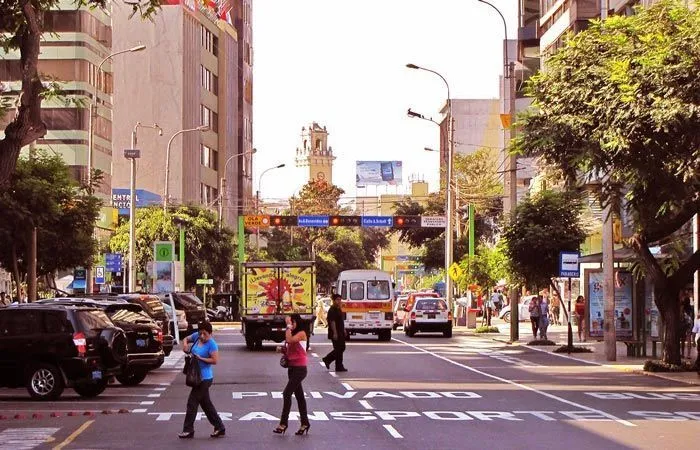
Why Lima’s most popular district is ideal for solo backpackers and digital nomads.