

Cusco Street Food: What to Try and Where to Start
Quick Answer
Pariwana’s travel blog gathers articles for young travelers about Peru, Lima, Cusco, local culture, food, adventure, budget travel and practical tips.
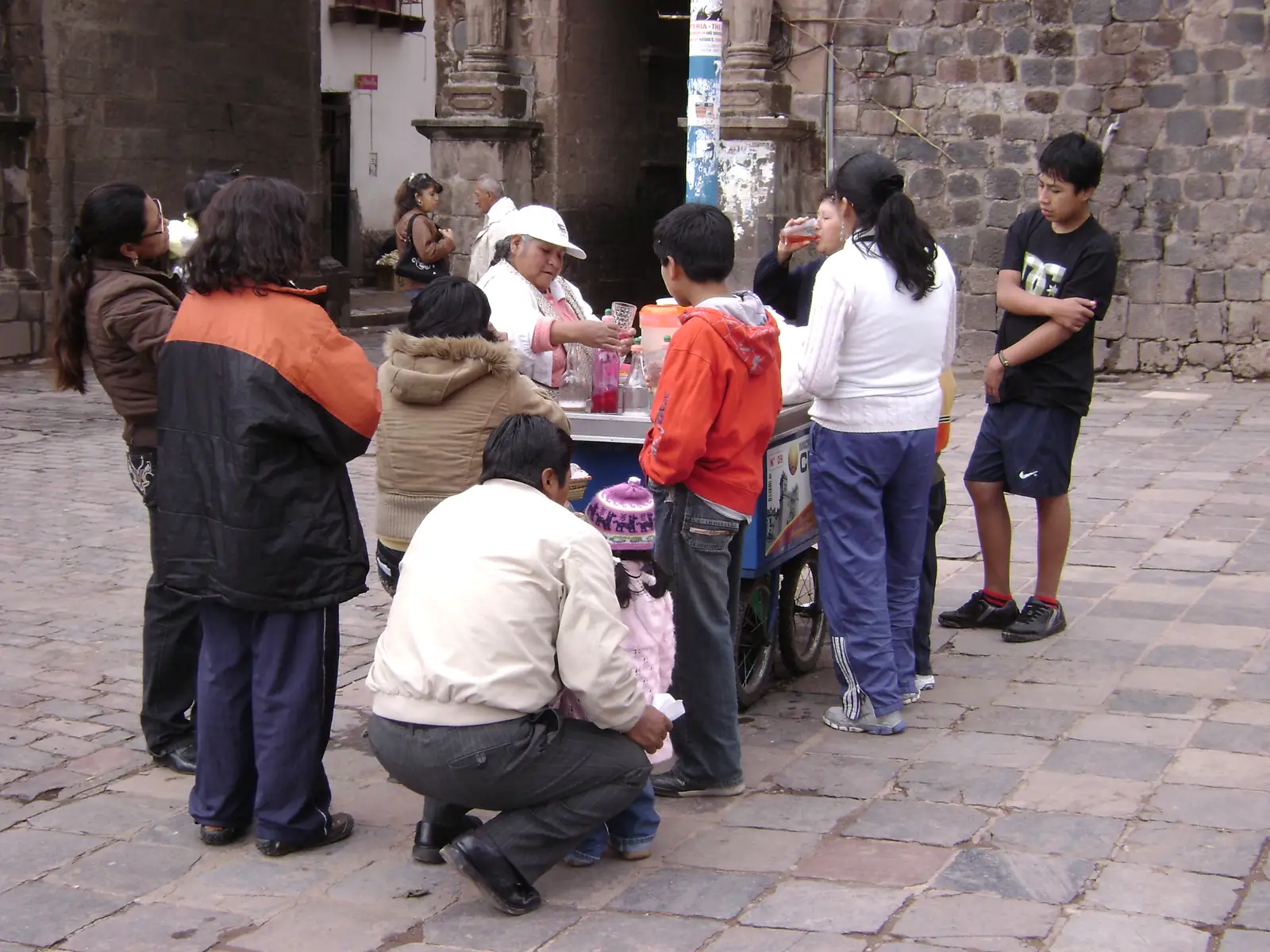
Dtarazona, Emolientera Cusco 02012009.JPG, Wikimedia Commons, CC BY-SA 4.0.
Quick answer
Cusco street food is easiest to discover in markets, breakfast stalls, prepared-food counters and local fairs. Start at San Pedro Market, walk through before choosing, and look for freshly cooked food, steady turnover and careful handling. Anticuchos, choclo con queso, tamales, humitas, picarones and fresh juices are approachable options, while dishes such as cuy and chiri uchu belong more to regional cuisine than to street food in the narrow sense.
Key points
- In Cusco, street food, market food and regional cuisine overlap, but they are not exactly the same experience.
- San Pedro Market is a practical first stop for produce, breakfasts, juices and prepared food.
- Anticuchos, corn with cheese, tamales, humitas, picarones and juices are easy starting points.
- Watch for turnover, thorough cooking, safe water, clean utensils and separation between raw and ready-to-eat food.
- Local food can help you manage a backpacker budget without turning every meal into a challenge.
If you want to know what to eat in Cusco without relying only on tourist restaurants, markets and informal stalls give you a closer look at the city’s everyday food culture. They also ask for a little attention: the busiest-looking or most colourful stall is not automatically the best choice for that moment.
What counts as street food in Cusco?
The phrase covers food eaten standing up, from a grill or counter, as well as food prepared inside a market and bought for a quick meal. Traditional dishes served in picanterías or regional restaurants are part of Cusco’s food culture too, but they offer a different pace and setting.
An anticucho from a grill, a tamal bought for breakfast or a picarón from a fair fits the everyday idea of food on the go. Cuy, chiri uchu and Cusco-style chicharrón can be important regional dishes, but they usually involve sitting down and a more formal meal. Knowing the difference helps you set realistic expectations about time, format and price.
San Pedro Market: a practical first stop
San Pedro Market is Cusco’s main food market, a short walk from the Main Square. Peru Travel describes its fresh produce, breads, cheeses, fruits, juices and prepared food, as well as the chance to see everyday interactions between vendors and residents.
Treat opening times and availability as changeable. Walk through the market before buying, notice which counters have steady movement, and carry some cash. The market is useful for understanding ingredients such as native potatoes, corn, cheeses, breads and fruit before deciding what you want to eat.
For more route planning around the city, see Pariwana’s backpacker guide to Cusco.
What to try when you want food on the go
Anticuchos
Anticuchos are marinated skewers cooked on a grill. The classic version uses beef heart and is often served with potato, corn and ají. Fresh grilling and an easy-to-share format make anticuchos one of Peru’s most recognisable street-food choices. If you do not eat offal, ask what other versions are available.
Choclo con queso
Large-kernel Andean corn with cheese is a simple way to try two ingredients that appear often in highland cooking. It can work as a snack or side dish when you want something lighter. Ask what kind of cheese is being used and notice how dairy products are kept.
Tamales and humitas
Tamales and humitas are common breakfast or short-break options. Tamales are usually made with seasoned corn dough and a filling; humitas can be sweet or savoury and tend to have a softer texture. Availability changes by stall and time of day, so ask what has been prepared recently.
Picarones
These fried rings are made with a dough that commonly includes squash and sweet potato, then served with chancaca syrup. They are more likely to appear at fairs and dessert stalls than as a main meal. Share a portion if you want to taste them without ordering something heavy.
Juices and drinks
Juice counters are part of the market experience. Peru Travel highlights natural juices made with fresh regional fruit at San Pedro Market. Ask what water is used and watch how glasses, ice and fruit are handled. If the water source is unclear, choose a sealed drink instead.
Street food, market food and regional cuisine are different
Peru Travel’s Andean cuisine guide places corn, potatoes, grains, cheeses, humitas and cuy within the wider culinary tradition of the Peruvian highlands. The official Cusco gastronomy page adds local context for fried trout, Cusco-style chicharrón, chiri uchu and cuy. That context matters: not every traditional dish is a street-food dish.
Fried trout and Cusco-style chicharrón are usually meals to sit down for. Chiri uchu is tied especially to Corpus Christi, while cuy belongs more to regional cuisine than to quick food on the go. If you want more context before choosing it, read Pariwana’s guide to cuy in Peru and where to try it in Cusco.
How to choose a stall with common sense
You do not need to inspect every plate like an auditor. Before ordering, watch for a minute:
- Food that is moving steadily rather than sitting untouched for a long time.
- Hot food that is cooked or kept hot, and fresh ingredients that are protected.
- Access to handwashing and clean utensils.
- Separate surfaces for raw meat and ready-to-eat food.
- Drinks made with safe water, or a sealed alternative if you are unsure.
These checks reflect the World Health Organization’s Five Keys to Safer Food: keep clean, separate raw and cooked food, cook thoroughly, keep food at safe temperatures, and use safe water and raw materials. They are practical observations, not a guarantee about any individual stall. If something smells wrong, is lukewarm without a clear reason or makes you uneasy, choose another option.
Tips for eating on a backpacker budget
- Walk through the market before buying so you can compare the offer calmly.
- Carry cash and, when possible, smaller notes.
- Start with a small portion when you are trying an unfamiliar ingredient.
- Leave heavier dishes for a time when you know how your body is responding to the food.
- Ask the price and portion size before sitting down if there is no visible menu.
- Share a portion with friends if you want to try more than one thing.
A practical base for exploring Cusco
If you want a central place to return to between walks and food stops, take a look at Pariwana Hostel Cusco in the Historic Center. Check the current conditions there and choose the base that fits your own plans.
Frequently asked questions
Where should I start trying street food in Cusco?
San Pedro Market is a practical first stop because it brings together produce, juices, breakfasts and prepared-food counters near the historic centre. Walk around first, then choose after observing turnover and handling.
Is market food the same as street food?
Not exactly. Street food is often served from stalls or grills for eating on the go. Market food can also include full plates served at counters. Both can feel local and affordable, but they are different from a regional restaurant meal.
What Cusco food is easiest for a first try?
Corn with cheese, a tamal, a humita, a well-cooked anticucho or a juice made with safe water are approachable starting points. If you prefer to sit down, fried trout is a recognisable regional option.
Should I avoid all street food in Cusco?
There is no need for an absolute rule. Watch how food is cooked and stored, choose stalls with steady movement, and prioritise freshly prepared options. If something does not look right to you, find another choice.
Can I rely on fixed prices and exact opening times?
Prices, portions and stall schedules change. Treat market information as guidance, ask before ordering and confirm the current situation when you arrive.
Sources checked
- Peru Travel: San Pedro Market, checked 21 September 2026.
- Peru Travel: Andean Cuisine, checked 21 September 2026.
- Peru Travel: Cusco gastronomy, checked 22 September 2026.
- World Health Organization: Five Keys to Safer Food, checked 21 September 2026.
✍️ Pariwana editorial team
Practical guides made by backpackers, for backpackers.
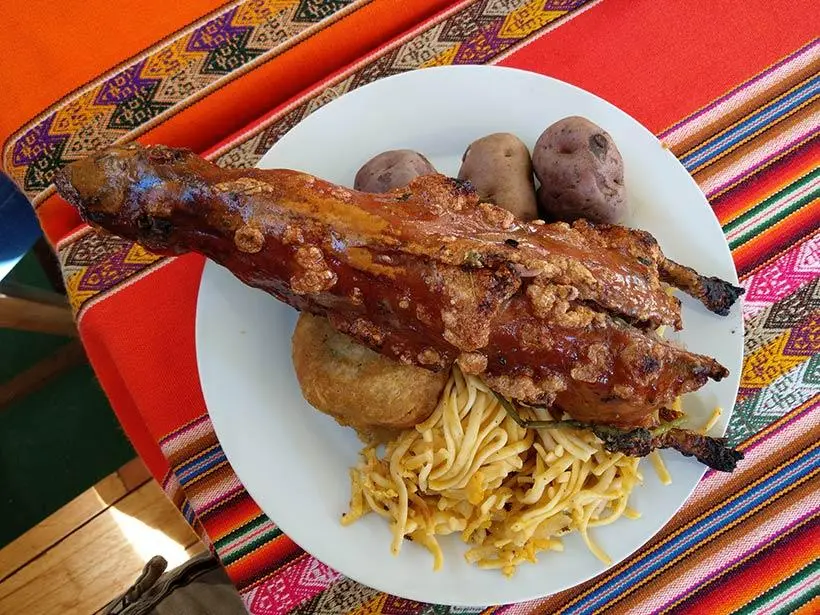
A traveler-friendly guide to the Andean history, farming traditions and dishes behind Peru's famous guinea pig cuisine.