
Things to Do in Cusco Before and After Machu Picchu: A Young Traveler’s Guide
Quick Answer
Pariwana’s travel blog gathers articles for young travelers about Peru, Lima, Cusco, local culture, food, adventure, budget travel and practical tips.
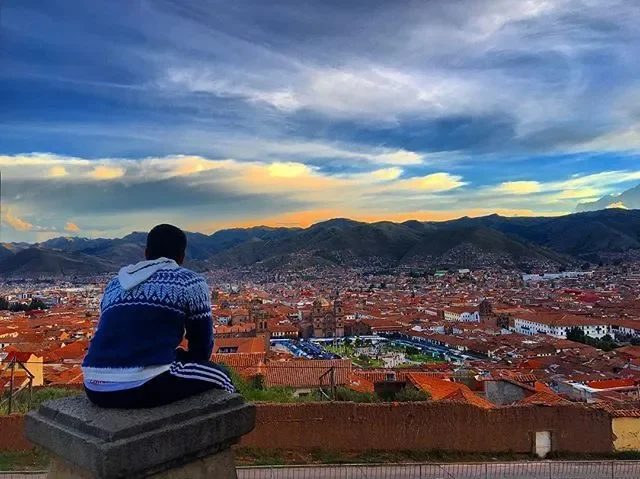
Traveling to Cusco for the first time can feel like stepping into the backstage of a much bigger adventure. Everyone talks about Machu Picchu: the classic photo, the train ride, the early morning mist, the mountains, and that surreal moment when you finally stand in front of one of the most famous archaeological sites in the world. But what many travelers discover only after arriving is that Cusco is not just the gateway to Machu Picchu. It is a full destination on its own: historical, social, colorful, affordable, intense, and perfect for backpackers who want more than a quick checklist.
Cusco has a special kind of energy. On one side, it preserves Inca stone walls, colonial balconies, traditional markets, narrow streets, Andean rituals, and a deep sense of history. On the other, it works as a meeting point for travelers from everywhere: people arriving from Lima, Arequipa, Bolivia, Chile, Brazil, Europe, North America, and long backpacking routes across South America. At one hostel table, you might meet someone who just hiked Rainbow Mountain, someone working remotely from a café in San Blas, and another traveler leaving for the Sacred Valley the next morning. That mix is part of what makes Cusco unforgettable.
If you are planning your Peru trip and wondering what to do in Cusco before and after Machu Picchu, this guide is for you. It is written for young travelers, backpackers, solo travelers, digital nomads, budget explorers, and anyone who wants to experience Cusco with curiosity instead of rushing through it. The goal is simple: help you organize your days, avoid altitude mistakes, enjoy the city, understand the Sacred Valley, meet people, and make Machu Picchu part of a deeper travel experience.
Choosing where to stay also matters more than you might think. A good hostel in Cusco is not only a bed. It gives you location, safety, local tips, social atmosphere, activities, and the chance to meet people who are planning the same routes. In a city where almost every traveler is organizing a trek, a train ride, a valley tour, a night out, or a next destination, staying in a social hostel can turn a solo trip into a shared adventure from day one.
Before Machu Picchu: Give Cusco and Your Body Time
The first piece of advice is simple: do not arrive in Cusco and head straight to Machu Picchu the next morning unless your itinerary leaves you no other choice. Cusco sits at high altitude, and your body needs time to adapt. Some travelers feel fine, others get headaches, nausea, fatigue, shortness of breath, or a heavy feeling in the legs. You do not need to panic about altitude, but you do need to respect it.
Ideally, spend at least one or two full days in Cusco before visiting Machu Picchu. Use that time to walk slowly, drink water, avoid heavy meals, rest properly, and get used to the pace of the city. Many travelers want to do everything immediately because they are excited, but Cusco rewards patience. Your first day should be light. Drop your backpack, check in, take a shower, drink water, and go for a slow walk through the historic center.
The Plaza de Armas is the easiest place to begin. It is the visual and social heart of Cusco, surrounded by churches, restaurants, cafés, balconies, tour agencies, and travelers coming and going all day. From there, you can walk to Hatun Rumiyoc Street, see the famous Twelve-Angled Stone, and continue toward San Blas, the city’s artistic neighborhood. Do not rush the uphill streets. Walk slowly, stop often, and remember that even a short climb can feel different at altitude.
San Blas is worth your time. It has workshops, galleries, small shops, bars with live music, cozy cafés, and some of the best views over Cusco. If you are looking for photos, you will find blue balconies, stone steps, old doors, narrow alleys, and corners full of personality. If you are looking for atmosphere, you will find artists, backpackers, musicians, and travelers planning their next move. It is a perfect first-day neighborhood because it gives you Cusco’s charm without forcing you into a demanding tour.
Use your first day to check the logistics for Machu Picchu too. The archaeological site has official circuits, entry times, rules, and limited availability, so it is not the type of place where you should improvise at the last minute. The official Machu Picchu website provides information about tickets, circuits, schedules, and visitor regulations. Before buying anything, review the route, time slot, documents required, and current conditions. During busy seasons, tickets can sell out, and last-minute decisions can become expensive.
A smart first-day checklist looks like this: confirm your entrance ticket, review your transportation to Ollantaytambo or Aguas Calientes, prepare a small daypack, ask reception for recent recommendations, and talk to other travelers who have just returned. Hostel conversations in Cusco are incredibly useful. Someone may tell you which train they took, how early they left, what they wish they had packed, or whether their circuit felt too rushed. That kind of practical advice can save you time, money, and stress.
Explore the Historic Center Without Turning It Into a Race
Cusco is a city made for walking. You do not need to fill your first morning with tours or complicated plans. The historic center already offers enough history, architecture, street life, food, and cultural detail to keep you busy for hours. The trick is to look carefully. You will see Inca walls supporting colonial buildings, carved wooden balconies, hidden courtyards, stone streets, traditional clothing, modern cafés, old churches, and everyday local life happening around travelers.
The Plaza de Armas is the natural starting point, but do not stay only there. Walk toward Qorikancha, one of the most important historical places in the city, where you can clearly see the meeting — and the collision — between Inca and colonial worlds. Then explore streets like Loreto, Santa Catalina, San Agustín, Plateros, and Triunfo. Let yourself get a little lost. Cusco is compact enough to explore on foot, but layered enough to surprise you around almost every corner.
A visit to San Pedro Market is also a great way to understand the city beyond postcards. The market is full of fruit juices, breads, cheeses, soups, herbs, chocolate, coffee, flowers, local menus, and everyday products. It is a good place to eat on a budget, try local flavors, and see a more normal rhythm of Cusco life. Just remember that it is a real market, not a tourist stage. Ask before taking close-up photos of people, negotiate respectfully, and move with curiosity rather than entitlement.
If you want a broader overview of areas, routes, and timing, you can complement your planning with Pariwana’s Cusco travel guide for travelers. It is especially useful if you want to understand how to organize the city, nearby archaeological sites, food stops, viewpoints, and practical tips before deciding how to spend each day.
The important thing is not to treat Cusco as a waiting room before Machu Picchu. The city has its own identity and deserves attention. Many backpackers arrive thinking they will stay only long enough to see the famous ruins, then end up extending their stay because Cusco is social, walkable, beautiful, and full of plans. Give it space and it may become one of the highlights of your Peru travel route.
Sacsayhuamán and Nearby Sites: Your First Big Archaeological Moment
After a proper night of sleep, a great way to begin exploring Inca history is to visit Sacsayhuamán and the nearby archaeological sites. If you already feel comfortable with the altitude, you can walk uphill from the historic center. If you want to save energy, take transport. Either way, Sacsayhuamán is one of the best places to start because it is close to the city but feels completely different once you arrive.
The site is impressive for the size of its stones, the precision of its walls, and the views over Cusco. Standing there helps you understand that Inca architecture was not only about buildings. It was about landscape, power, astronomy, ceremony, movement, and connection with the mountains. You can see Cusco below, the hills around you, and the way the site dominates the city without feeling separated from nature.
Close to Sacsayhuamán, you can also visit Q’enqo, Puka Pukara, and Tambomachay. These sites are often included in the same route and are useful before Machu Picchu because they give you context. You begin to recognize stonework, ceremonial spaces, water channels, terraces, and the way ancient Andean architecture interacted with its environment. By the time you reach Machu Picchu, you will not just be looking for the famous postcard view. You will understand more of what you are seeing.
Bring water, sunscreen, a light jacket, comfortable shoes, and some cash. Cusco’s weather changes quickly. You can have strong sun at noon, cold wind in the afternoon, and sudden rain depending on the season. Also, do not underestimate the walking. The sites are close to the city, but the altitude makes everything slower.
This is also where the Cusco Tourist Ticket can become useful. The official COSITUC website explains that the ticket gives access to several archaeological sites and museums in and around Cusco, including places such as Sacsayhuamán, Q’enqo, Puka Pukara, Tambomachay, Pisaq, Ollantaytambo, Moray, Chinchero, Tipón, and Pikillaqta, depending on the type of ticket. Before buying, check which circuit fits your schedule. If you have only a short stay, a partial ticket may be enough. If you plan to explore the Sacred Valley in depth, the full option may be more convenient.
For backpackers, this route often becomes the first real “wow” moment of the trip. You are still close to your hostel, yet the landscape opens up, the city drops below you, and the scale of Inca construction starts to make sense. It is the perfect warm-up before the Sacred Valley and Machu Picchu.
The Sacred Valley Before Machu Picchu: Do Not Skip It
The Sacred Valley is much more than a route to the train. It is one of the best things to do before Machu Picchu because it connects history, landscapes, villages, markets, and archaeology in a way that slowly prepares you for the main visit. It also sits at lower altitude than Cusco in some areas, which can make it feel easier on the body.
Pisaq is a great first stop. Its archaeological site combines terraces, paths, viewpoints, and structures that show the relationship between agriculture, defense, spirituality, and landscape. The town also has a market, artisan shops, and places to eat. If you are traveling on a backpacker budget, ask about local transport options and plan your timing carefully. Lack of planning often turns cheap routes into expensive taxi rides.
Ollantaytambo is another essential stop. Many travelers use it only as the place where they catch the train to Machu Picchu, but it deserves much more than that. The town has a unique layout, narrow streets, water channels, stone walls, and mountains that seem to rise directly around it. The archaeological site is powerful, and climbing its terraces before visiting Machu Picchu helps you understand the scale and intelligence of Inca engineering.
Spending a night in Ollantaytambo can also be a smart strategy if you want to reduce stress before an early train. Instead of leaving Cusco in the middle of the night, you can enjoy the Sacred Valley, sleep closer to the station, and start the Machu Picchu day with a little more calm. For many travelers, this makes the whole experience feel smoother.
Moray and Chinchero are also worth considering. Moray is often connected with agricultural experimentation because of its circular terraces and microclimates. Chinchero combines archaeological remains, textile traditions, colonial architecture, and Andean landscapes. If you have limited time, do not try to see everything in one rushed day. It is better to choose two or three places and enjoy them properly than collect names without remembering any of them.
If Machu Picchu is the major highlight, the Sacred Valley is the emotional and cultural preparation. It teaches you that the famous ruins are part of a much larger network of roads, towns, terraces, sacred mountains, and living communities. Before booking random tours, review Pariwana’s backpacker guide to Machu Picchu and the Sacred Valley to organize your route according to your travel style, budget, and available days.
How to Prepare for Machu Picchu Without Stressing Out
Preparing for Machu Picchu has three main parts: your entrance ticket, your transportation, and your personal energy. The ticket defines your circuit and time slot. Transportation defines how early you wake up, how much you spend, and how much margin you have. Your energy defines whether you enjoy the day or arrive exhausted, stressed, and barely awake.
Start with official information. Machu Picchu is not a regular attraction where you simply arrive whenever you want. There are circuits, schedules, visitor rules, and conservation measures. Always check the official Machu Picchu website before your visit. Read carefully because not every ticket gives access to the same route. Some circuits focus on the classic panoramic view, others explore specific areas of the archaeological site, and some may include mountain routes depending on current rules and availability.
Machu Picchu is also a UNESCO World Heritage Site, recognized for its cultural and natural value. The UNESCO World Heritage Centre describes it as a sanctuary located between the Andes and the Amazon, with architecture, terraces, landscapes, and biodiversity that require long-term protection. As a traveler, this matters. You are not visiting an amusement park. You are entering a fragile and extraordinary place that needs responsible tourism.
Do not buy your ticket in a rush. Compare times, understand the circuit, check what is included, and make sure your name and document information are correct. If you are confused, ask at your hostel or a reliable local agency, but always cross-check with official sources. Last-minute panic is one of the easiest ways to overspend.
Pack light and smart. Bring your passport or ID, entrance ticket, water, a light snack, sunscreen, hat, compact rain jacket, and an extra layer. Wear comfortable shoes with good grip and do not break in new shoes that day. Avoid carrying a huge backpack. You will walk, climb, wait, take photos, follow your route, and adjust to changing weather. The lighter you are, the better the day feels.
Also, sleep. It sounds obvious, but many travelers make the same mistake: they party hard in Cusco the night before, sleep two hours, and arrive at Machu Picchu feeling destroyed. Cusco nightlife is fun, but Machu Picchu deserves your full attention. Save the big night out for after the visit.
What to Do Right Before Visiting Machu Picchu
Your day-before plan depends on your route. If you are traveling from Cusco to Ollantaytambo and then taking the train to Aguas Calientes, calculate your times with extra margin. Traffic, rain, protests, road delays, or last-minute changes can complicate things. In Peru, having one extra hour can save your money and your mood.
One practical option is to spend the night in Aguas Calientes, also known as Machu Picchu Pueblo. It is not usually the cheapest stop of the trip, but it gets you closer to the entrance and reduces the stress of a very early start. Another option is to sleep in Ollantaytambo and take an early train. This works well if you want to enjoy the Sacred Valley and avoid leaving Cusco extremely early.
The day before Machu Picchu is not the best time for an extreme hike. Choose something light: walk around Ollantaytambo, review your tickets, charge your phone, buy snacks, eat early, and sleep well. If you are in a hostel, talk to other travelers about their experience. Cusco’s hostel scene works like a live travel forum: someone knows what time the train left, someone explains how the bus from Aguas Calientes worked, someone tells you to bring a rain jacket, and someone else warns you not to run up the steps at the entrance.
Do not underestimate the mental side of the visit. Machu Picchu creates huge expectations, and expectations can create anxiety. You want the weather to be perfect, the photos to be perfect, the route to be perfect. But travel in the Andes requires flexibility. There may be mist, rain, clouds, strong sun, or sudden changes. Arrive prepared, informed, and open. Even with clouds, Machu Picchu can be unforgettable. Sometimes the mist makes the place feel even more mysterious.
After Machu Picchu: Do Not Leave Cusco Too Fast
Many travelers make the same mistake: they visit Machu Picchu and leave Cusco the next day. It is understandable if your itinerary is short, but if you have time, stay at least two more days. After Machu Picchu, Cusco feels different. You are no longer waiting for the biggest moment of the trip. You can slow down, process what you saw, and enjoy the city without pressure.
The first day after Machu Picchu should be active recovery. Sleep a little longer, eat a proper breakfast, walk slowly, go back to the market, drink coffee, write in your journal, review your photos, do laundry, and talk to other travelers. This is a perfect day to lower the intensity. If you are staying in a social hostel, you will probably meet people who also just returned from Machu Picchu and want to compare routes, photos, mistakes, and next plans.
You can also check Pariwana Cusco’s activity lineup to join social plans without organizing everything yourself. Hostel activities, themed nights, games, shared meals, and group outings make it easier to meet people after several intense tour days. For solo travelers, this can make Cusco feel less anonymous and much more connected.
If you still want cultural plans, visit museums or places you missed before. The Museum of Pre-Columbian Art, the Regional Historical Museum, or the Qorikancha site museum can help you connect field experiences with deeper context. You can also return to San Blas, this time without a map, just to walk, listen to music, visit workshops, or sit on a terrace. After Machu Picchu, the details of Cusco often feel more meaningful because you have already seen how that history expands into the mountains.
Adventures After Machu Picchu: Rainbow Mountain, Humantay and More
Once you are acclimatized, you can consider more demanding day trips. Rainbow Mountain, also known as Vinicunca, is one of the most popular. It is visually stunning, but it is not an easy walk. The altitude is serious, and the weather can be harsh. If you decide to go, do it after spending a few days in Cusco, bring warm layers, water, snacks, sunscreen, and listen to your body. You do not need to prove anything. Walking slowly still counts.
Humantay Lake is another favorite among young travelers. It combines a road trip, a mountain hike, high-altitude scenery, and a turquoise lake that looks amazing in photos. But like Rainbow Mountain, it requires energy and respect for altitude. Do not schedule it after a heavy night out or immediately after Machu Picchu if you are exhausted.
If you prefer something less crowded, look for alternative half-day hikes, viewpoints, coffee or chocolate experiences, cooking classes, textile community visits, or southern valley sites such as Tipón and Pikillaqta. Not every great experience has to be viral. Sometimes your best memory comes from a smaller plan, a spontaneous conversation, or an afternoon with no expectations.
Cusco is also a good place to reorganize the rest of your Peru route. After Cusco, you might continue to Puno and Lake Titicaca, travel to Arequipa, return to Lima, or cross into Bolivia. If you are planning a longer route, Pariwana’s backpacker guide to Peru can help you connect destinations, travel times, budget decisions, and practical tips.
Social Life in Cusco: A Key Part of the Backpacker Experience
Cusco has a strong traveler social scene. It is not only about parties, although there are bars, music, and long nights if that is what you want. It is also about community. The city brings together people who are living intense moments: their first solo trip, a long South America backpacking route, a career break, a remote-work chapter, a volunteer experience, or a long-awaited vacation. That mix makes conversations easy.
A hostel with activities helps you enter that community naturally. You can start by sharing breakfast, joining a game, asking about a tour, inviting someone to walk to the market, or joining a small group for dinner. Many travelers end up making some of their best trip friendships in Cusco because almost everyone is open to connection. Almost everyone is far from home, and almost everyone is planning something exciting.
Nightlife is part of the experience too, but balance matters at altitude. Going out in Cusco can be a lot of fun, but if you have a demanding hike the next morning, your body will make you pay for it. A good strategy is to separate social nights from high-effort days. For example: acclimatization and historic center on day one, archaeological sites on day two, Sacred Valley on day three, Machu Picchu on day four, recovery and hostel social night on day five. That way, you enjoy everything without destroying your energy.
If you are starting your Peru trip in the capital, think of Lima and Cusco as connected parts of the same backpacker route. Lima offers food, ocean views, neighborhoods like Miraflores and Barranco, museums, nightlife, and a more urban introduction to Peru. Staying in a hostel in Lima before flying or taking a bus to Cusco can help you begin the trip with useful information, traveler contacts, and social energy from the start.
Food in Cusco: Eat Local, Eat Well and Protect Your Budget
Eating in Cusco can be cheap or expensive depending on where you sit down. If you are protecting your budget, look for lunch menus, markets, bakeries, simple local restaurants, and places outside the most touristy streets. San Pedro Market is good for juices, fruit, soups, home-style meals, and snacks. You will also find vegetarian restaurants, specialty coffee shops, Andean fusion spots, and international food for the days when you need variety.
Try local dishes with curiosity, but do not force heavy meals right before a hike. Soups, quinoa, trout, corn with cheese, native potatoes, broths, and herbal teas can be great on altitude days. If you are leaving early for a tour, buy snacks the night before: fruit, nuts, bread, chocolate, cookies, or simple energy bars. Prices tend to rise on tourist routes.
Be careful with alcohol during your first days. This does not mean you cannot have fun. It simply means that altitude, dehydration, and fatigue are a rough combination. Drink water between drinks, eat properly, and sleep enough. Your next-day self will be grateful.
Backpacker Budget: Where to Save and Where Not To
Cusco can work for many budgets. To save money, walk when possible, use local transport, eat set menus, compare tours, book early, and avoid buying everything in the most tourist-heavy areas. But there are things you should not save on irresponsibly: official entrance tickets, basic safety, key transportation, and high-altitude tours with operators that do not explain what is included.
Before booking a tour, ask what the price includes: transport, guide, entrance fee, food, equipment, schedule, pickup point, and cancellation rules. If something sounds too cheap, ask why. Budget travel does not mean careless travel. The smartest backpacker is not the one who spends the least at any cost; it is the one who spends wisely, stays safe, and respects local communities.
For Machu Picchu, prioritize official ticket information and confirm your schedule. For the Sacred Valley, check whether you need the Tourist Ticket. For high-altitude hikes, bring the right clothing. For accommodation, look for location, lockers, helpful reception, security, cleanliness, and social atmosphere. A good night of sleep before an important travel day is also part of your budget because it protects the experience you already paid for.
Safety and Cultural Respect in Cusco
Cusco is used to tourism, but that does not mean you should forget basic safety habits. Watch your phone in crowded areas, avoid walking alone very late through empty streets, ask which routes are safe, keep important documents secure, and use lockers. If you go out at night, return with people you trust or use reliable transport. This is not about fear. It is about moving with the same awareness you would use in any popular travel destination.
Cultural respect matters too. Cusco is not a background set for selfies. It is a living city with local families, traditions, celebrations, tensions, markets, sacred places, and heritage. Ask before photographing people, especially children. Do not climb on archaeological walls. Do not enter restricted areas. Do not buy archaeological objects or suspicious heritage pieces. Support local businesses when you can, listen more than you speak, and remember that you are a guest.
Responsible tourism is especially important in Machu Picchu. Follow permitted routes, do not leave trash, respect schedules, keep noise low, and understand that conservation is more important than a risky photo. The future of places like Machu Picchu depends partly on how millions of individual visitors behave.
Suggested Itinerary: Cusco Before and After Machu Picchu
If you have five or six days, a balanced route could look like this. Day one: arrive in Cusco, walk slowly around the Plaza de Armas, San Blas, and San Pedro Market. Day two: visit Sacsayhuamán, Q’enqo, Puka Pukara, and Tambomachay, then keep the afternoon flexible. Day three: explore the Sacred Valley with Pisaq and Ollantaytambo, or choose Moray and Chinchero depending on your interests. Day four: visit Machu Picchu, ideally with logistics organized the night before. Day five: active recovery in Cusco with cafés, markets, museums, laundry, and hostel social plans. Day six: Rainbow Mountain, Humantay Lake, Tipón, Pikillaqta, or a calmer plan depending on your energy.
If you have less time, prioritize acclimatization, one nearby archaeological site, Machu Picchu, and at least one real afternoon in Cusco. If you have more time, add the Sacred Valley slowly, spend a night in Ollantaytambo, try alternative hikes, and leave room for spontaneous plans. Free days are not wasted days. On a backpacking trip, they are often the days when the best things happen: a new friendship, a local recommendation, a cheap group plan, or a story that was not in any itinerary.
Cusco Does Not End at Machu Picchu
Machu Picchu may be the reason you booked the trip, but Cusco is often the reason you want to stay longer. Before the visit, the city prepares you: it helps you acclimatize, teaches you history, connects you with other travelers, and gives you context for the Andean world. After the visit, it welcomes you back with warm food, stone streets, music, markets, conversations, social nights, and new possible routes.
The best way to experience Cusco is not to chase every tour. It is to combine planning with space for improvisation. Buy your tickets responsibly, use official sources, respect the altitude, talk to other travelers, walk slowly, and let the city surprise you. If you do that, your trip will not be just “the Machu Picchu visit.” It will become a full experience of culture, adventure, community, and discovery.
And one evening, while sitting on a terrace with a warm drink, listening to someone describe their mountain hike or planning your next stop in Peru, you may understand what many backpackers feel here: Cusco is not just a point on the map. It is a powerful pause in the journey. One of those pauses that reminds you why traveling still matters so much.
✍️ Pariwana Editorial Team
Practical travel tips written by backpackers, for backpackers.
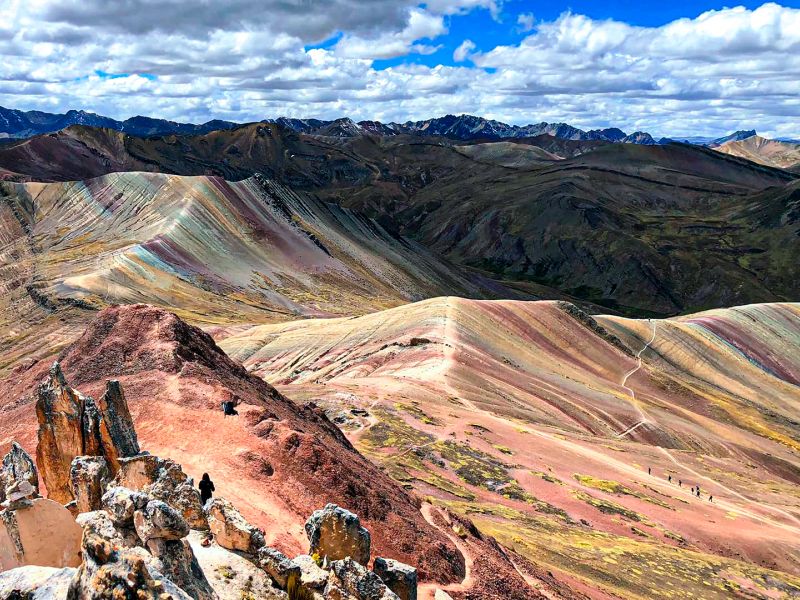
A quieter and easier rainbow mountain trek near Cusco for backpackers