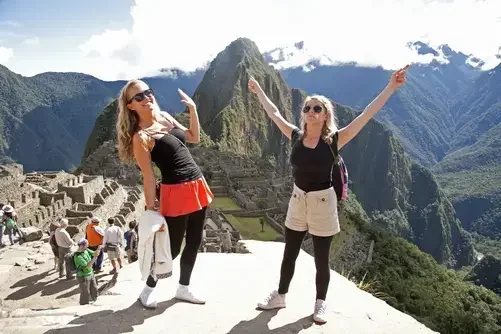
Book now!

Machu Picchu & Sacred Valley Backpacker Guide 2026

Machu Picchu & Sacred Valley Backpacker Guide 2026

Tickets, official circuits, transport from Cusco, treks and practical tips for planning Machu Picchu and the Sacred Valley.

Updated July 2026

Machu Picchu: Quick Answer

Machu Picchu normally receives visitors throughout the year, but every visit requires a timed ticket for one of 10 official routes grouped into three circuits. First-time visitors generally check Routes 2-A and 2-B first because they focus on the classic archaeological experience. Buy your entrance ticket before booking trains or road transport. From Cusco, the most common route is to travel to Ollantaytambo, take a train to Machu Picchu Pueblo and then continue by shuttle bus or on foot to the entrance.

Official visit system3 circuits and 10 routes
First-time visitorsCheck Routes 2-A and 2-B first
Book firstMachu Picchu entrance ticket, then transport and accommodation
Most common route from CuscoCusco → Ollantaytambo → Machu Picchu Pueblo → entrance
ImportantWeather, maintenance and official decisions can temporarily affect routes or transport


🦙 1. Introduction: The Heart of the Inca World

🦙 1. Introduction: The Heart of the Inca World

There are places you don’t just visit — you feel them. The Sacred Valley of the Incas and Machu Picchu are two of those rare spaces where mountains seem alive and time folds in on itself. For young travelers chasing more than a postcard shot, this route through southern Peru offers a perfect mix of history, energy, and adventure.

Stretching between Cusco and the edge of the Amazon, the Sacred Valley was once the agricultural and spiritual heart of the Inca Empire. Its endless terraces, temples aligned with the stars, and villages that still speak Quechua reveal a civilization that understood nature as sacred. Walking through it feels like traveling between centuries — the ancient and the living.

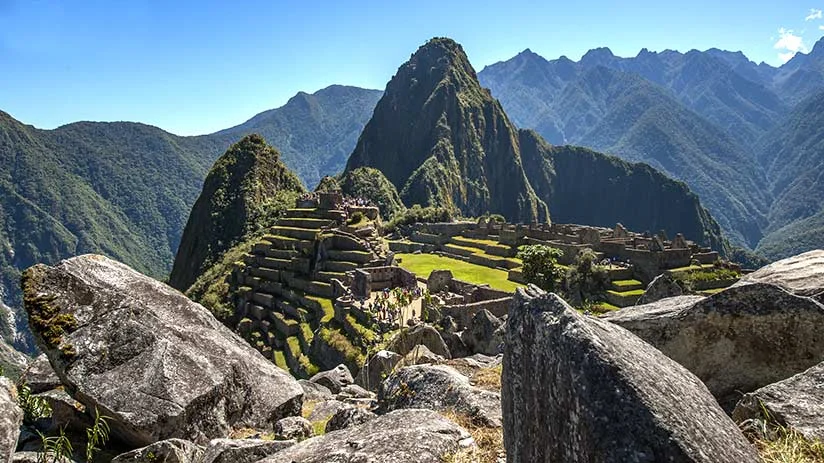
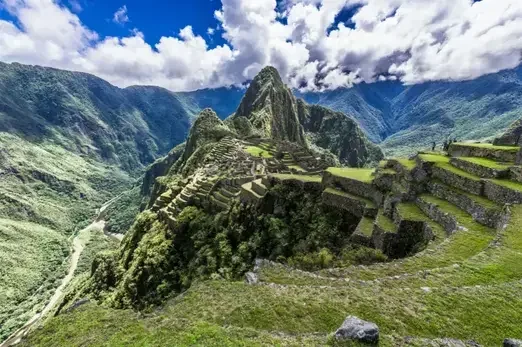
And then comes Machu Picchu, the final jewel of the route. Perched on a mountain ridge surrounded by clouds, this UNESCO World Heritage Site isn’t just one of the Seven Wonders of the Modern World — it’s a symbol of endurance and harmony with the land.

Machu Picchu normally receives visitors throughout the year, including during the rainy season. However, temporary closures, route restrictions or transport changes can occur because of weather, maintenance, safety conditions or official decisions. The Inca Trail network normally closes during February for annual conservation work, while access to the Machu Picchu archaeological site follows its own official schedule. Trains, roads and alternative trekking routes may also be affected by weather or operational conditions, so always check official notices and confirm your transport before traveling.

The dry season (May–September) brings clear skies and crisp mountain mornings, perfect for photos. The green season (November–March) offers fewer crowds, lush scenery, and softer light. In both, it’s smart to spend a day or two acclimatizing in Cusco before heading into the valley — hydrate well, walk slowly, and let your body adjust to the altitude.

This guide walks you through every step of the journey — from Pisac’s terraces to the narrow streets of Ollantaytambo, from the salt pans of Maras to the misty dawn at Machu Picchu. You’ll learn how to get there, which tickets to buy, what treks exist, and how to make the most of each stop. Because this trip isn’t just about reaching the site — it’s about everything that happens along the way.

👉 Planning to start your trip in Cusco? Check out the Backpacker Guide to Cusco.

🚆 2. How to Get to Machu Picchu from Cusco

🚆 2. How to Get to Machu Picchu from Cusco

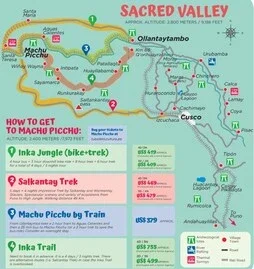
Reaching Machu Picchu requires some coordination because there is no direct road connection from Cusco to Machu Picchu Pueblo. Most travelers combine road transport, train travel and either a shuttle bus or an uphill walk to the archaeological site.

Cusco to Ollantaytambo
Most travelers first travel from Cusco to Ollantaytambo, one of the main train departure points in the Sacred Valley.
The main options are:
• A shared van or taxi from Cusco.
• A private transfer, which can be convenient when traveling with friends.
• A Sacred Valley tour that finishes in or near Ollantaytambo.
Departure points, fares and journey times can change. Confirm the current arrangement locally before traveling and allow additional time for traffic or weather conditions.

Option 1: Train from Ollantaytambo
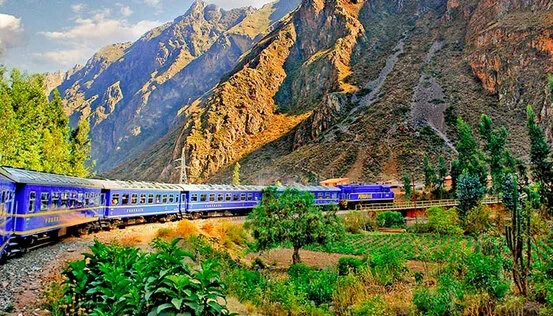
The most common and convenient option is to take a train from Ollantaytambo to Machu Picchu Pueblo, also known as Aguas Calientes. Services are operated by PeruRail and Inca Rail.
Train fares vary according to the operator, departure station, travel date, schedule, train category and demand. Compare the current timetable, baggage allowance, departure station and total fare directly with the operator before booking.
Morning trains and popular schedules can sell out, especially during periods of high demand. However, you should buy your Machu Picchu entrance ticket before committing to a train schedule.

Option 2: The Hidroeléctrica Route
Budget travelers with more time sometimes travel by road from Cusco or the Sacred Valley toward Hidroeléctrica and then continue on foot to Machu Picchu Pueblo.
The walking section is approximately 10 kilometers and follows the pedestrian route beside the railway line. The complete journey is considerably longer than taking the train and can be affected by rain, landslides, road conditions and transport disruptions.
Use a reputable transport provider, carry enough water and avoid planning the walking section after dark.

From Machu Picchu Pueblo to the Entrance:
From Machu Picchu Pueblo, you can reach the archaeological site in two ways:
• Take the official shuttle bus to the main entrance.
• Walk up the steep pedestrian trail and stone steps.
Bus fares, departure frequency and operating times may change. The uphill walk is physically demanding, particularly in humid or rainy conditions.

Plan in This Order:
1. Choose your Machu Picchu circuit and route.
2. Buy the official entrance ticket for a specific date and entry time.
3. Book your train or road transport.
4. Reserve accommodation in Ollantaytambo or Machu Picchu Pueblo if needed.
5. Allow enough time between your transport and the admission time shown on your ticket.

Machu Picchu uses timed admission, and each ticket is linked to a specific route. Do not rely on a single general opening or last-entry time for every ticket. Follow the schedule printed on your ticket and check the latest official visitor information before traveling.

Spending the night in Machu Picchu Pueblo can make an early visit easier, but it is not essential if your ticket and transport schedule are properly coordinated.

🎟️ 3. Machu Picchu Tickets, Circuits and Routes

🎟️ 3. Machu Picchu Tickets, Circuits and Routes

Official Visit System
Since June 1, 2024, visits to Machu Picchu have been organized into three official circuits that group ten different routes. Your ticket is valid only for the route, date and admission time selected during the purchase.
Each route follows a defined, one-way path. Visitors must remain on the marked route and cannot freely move between circuits once inside.

Circuit 1 – Panoramic
Circuit 1 focuses on the upper part of Machu Picchu and its panoramic viewpoints. It is best suited to travelers who prioritize elevated views, photography or an additional mountain route. Its routes are:
• Route 1-A: Machu Picchu Mountain Route.
• Route 1-B: Upper Terrace Route.
• Route 1-C: Intipunku Gate Route — available only during the official high season.
• Route 1-D: Inca Bridge Route — available only during the official high season.

Circuit 2 – Machu Picchu Classic
Circuit 2 focuses on the classic archaeological visit and includes both panoramic and urban areas of the site. Its routes are:
• Route 2-A: Designed Route.
• Route 2-B: Lower Terrace Route.

For many first-time visitors, Routes 2-A and 2-B are the first options to check because they provide a balanced visit focused on the classic Machu Picchu experience rather than adding a separate mountain hike. These routes are popular and may sell out earlier than other options.

Circuit 3 – Machu Picchu Royalty
Circuit 3 focuses on the lower and royal sectors of the archaeological site. It also includes the route to Waynapicchu Mountain and other seasonal alternatives. Its routes are:
• Route 3-A: Waynapicchu Mountain Route.
• Route 3-B: Designed Route.
• Route 3-C: Great Cavern Route — available only during the official high season.
• Route 3-D: Huchuypicchu Route — available only during the official high season.

Which Route Should You Choose?
• For a first visit focused on the classic archaeological experience: check Routes 2-A and 2-B first.
• For elevated panoramic views without a long mountain hike: consider Route 1-B.
• For the Machu Picchu Mountain hike: choose Route 1-A.
• For the Waynapicchu Mountain hike: choose Route 3-A.
• For Intipunku, the Inca Bridge, the Great Cavern or Huchuypicchu: check whether the corresponding seasonal route is available on your travel date.

Every route provides a different experience and does not include every viewpoint, temple or sector. Review the official route map before purchasing because you cannot freely change circuits after entering.

Where to Buy Official Machu Picchu Tickets
Buy entrance tickets through the official Ministry of Culture platform.
Official information about circuits, routes and visitor regulations is available here.

Buy your Machu Picchu entrance ticket before booking trains, buses or accommodation that depend on a specific admission time.

A limited allocation of tickets may also be sold in person in Machu Picchu Pueblo. These tickets are for entry on the following day and are subject to availability. Relying on an in-person ticket can disrupt your itinerary, so advance online booking is the safer option.

Important Visitor Rules:
• Carry the identification document used to purchase your ticket.
• Enter on the date, admission time and route shown on your ticket.
• Remain on the established circuit and follow instructions from park staff.
• Backpacks, bags and purses larger than 40 × 35 × 20 centimeters are prohibited.
• Food, umbrellas, tripods, monopods, selfie sticks, aerosols and drones are prohibited.
• Smoking and vaping are prohibited.
• Do not climb, sit or lean on archaeological walls or leave the marked route.
• Maximum visiting time varies according to the route. Check the official route map before your visit.

Rules, route availability and access conditions can change. Review the official information again shortly before traveling.
🏞️ 4. Pisac: The Viewpoint of the Sacred Valley

🏞️ 4. Pisac: The Viewpoint of the Sacred Valley

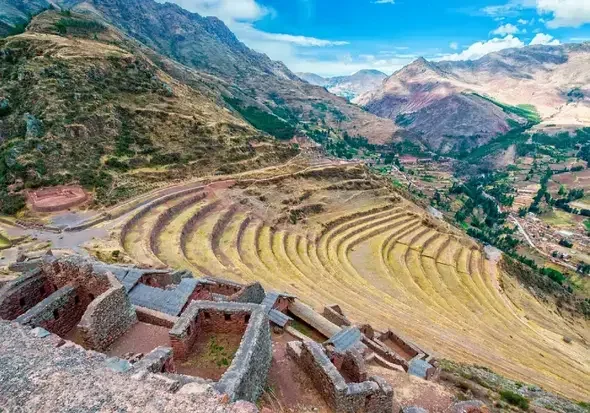
Just 33 km from Cusco, Pisac is where the Sacred Valley truly begins. The mountains open up, the air gets warmer, and terraces trace the hillsides like stairways built for the gods.

The star here is the Pisac Archaeological Site, one of the largest and most impressive Inca complexes. The site covers the upper slopes above the town — a network of stone terraces, ceremonial centers, and ancient paths that once connected Cusco with the jungle. From the top, you can see the valley stretch endlessly below, dotted with farms and the Vilcanota River glinting in the sunlight.

You can reach the ruins by taxi (about 25 minutes) or hike up from the town — roughly 90 minutes uphill. The trail is steep but scenic, passing through agricultural terraces and watchtowers. Bring water, a hat, and patience; the altitude makes every step count.

Back down in the village, don’t miss the Pisac Market, one of the most colorful in the Andes. Here, local artisans sell handwoven textiles, pottery, and jewelry, while the smell of freshly baked empanadas fills the air. It’s a great place to pick up gifts or just people-watch with a fresh juice in hand.

Pisac can be visited in half a day, but staying until sunset is worth it — the light turns the terraces gold and the mountains deep purple. Entry is included in the Cusco Tourist Ticket, which also covers other Sacred Valley sites.

🧂 5. Chinchero, Maras, and Moray: Tradition, Salt, and Experimentation

🧂 5. Chinchero, Maras, and Moray: Tradition, Salt, and Experimentation

This trio of destinations shows the Valley’s incredible diversity — living culture, science, and surreal landscapes — all within a short drive of each other.

Chinchero feels like stepping back in time. Women in traditional red skirts and black hats weave on looms outside their homes, preserving ancient Andean techniques. In local workshops, you’ll see how alpaca and sheep wool are dyed using plants, minerals, and even crushed cochineal insects. It’s one of the best places to buy authentic textiles and understand how much knowledge is hidden in each thread.

A few kilometers away lies Moray, a circular marvel that looks like a giant amphitheater carved into the earth. But it wasn’t built for shows — it was an agricultural laboratory. Each terrace level has its own microclimate, allowing the Incas to experiment with crops at different altitudes. Standing in the middle feels like being inside a green spiral of silence.

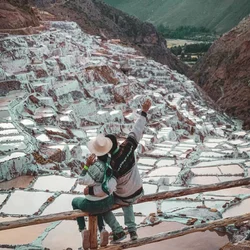
Finally, head to Maras, home to over 3,000 dazzling white salt ponds that cascade down a reddish hillside. The salt has been harvested here since pre-Inca times, using the same method: channeling mineral-rich spring water into shallow pools and letting the sun do the work. The view of the bright salt contrasting with the red cliffs is one of the Valley’s most surreal sights.

You can visit all three sites in one day — by taxi, organized tour, or even mountain bike. Go early in the morning for soft light and fewer crowds, or stay until late afternoon for those golden tones photographers love.

🏡 6. Urubamba and Ollantaytambo: The Beating Heart of the Sacred Valley

🏡 6. Urubamba and Ollantaytambo: The Beating Heart of the Sacred Valley

These two towns are the living core of the Sacred Valley — where travelers rest, eat well, and feel the pulse of Andean life before heading to Machu Picchu.

Urubamba is calm and spacious, surrounded by snowcapped peaks. It’s a good spot to recharge for a night or two. The town has a growing food scene with organic restaurants, yoga studios, and small markets full of local fruit. You’ll also find workshops making ceramics and natural cosmetics, all run by locals who blend tradition with creativity.

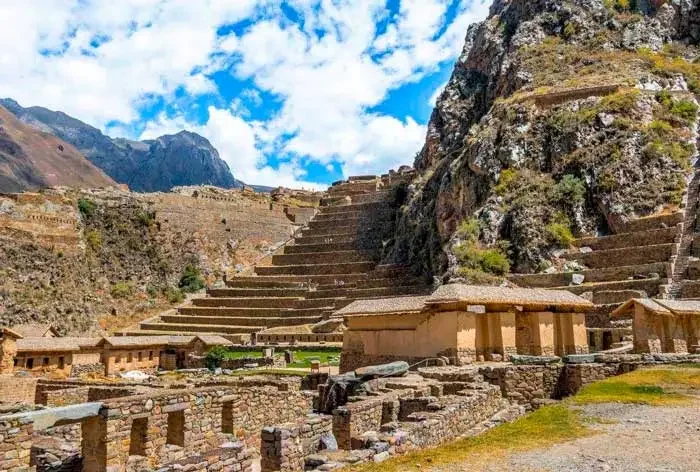
Twenty-five minutes down the road lies Ollantaytambo, the last living Inca town in Peru. Its cobbled streets, water canals, and massive stone walls have been in use for over 500 years. The Ollantaytambo Ruins dominate the valley — a mix of fortress and temple with terraces climbing up the mountainside. Climb to the top for a stunning view of the valley and the Temple of the Sun carved into the rocks.

Beyond the history, Ollantaytambo is also the main departure point for trains to Machu Picchu. Trains from PeruRail and IncaRail leave several times a day, so many travelers spend the night here to catch an early ride the next morning.

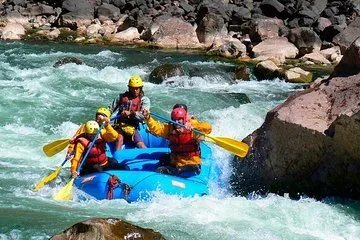
If you have extra time, the surroundings offer pure adrenaline: canopy ziplines, via ferrata climbing, rafting on the Urubamba River, and downhill biking through farmland trails.

Urubamba and Ollantaytambo together capture the essence of the Valley — living history, gentle rhythm, and a sense of anticipation before the final climb to Machu Picchu.

🥾 7. Trekking to Machu Picchu: Routes for Adventurous Travelers

🥾 7. Trekking to Machu Picchu: Routes for Adventurous Travelers

Trekking to Machu Picchu can be one of the most memorable ways to explore the Andes, but the different routes do not enter the archaeological site in the same way.
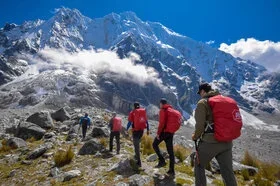
The Classic Inca Trail and the Short Inca Trail follow sections of the official Inca road network and normally approach Machu Picchu through Intipunku, the Sun Gate. Alternative treks such as Salkantay, Lares and the Inca Jungle follow different routes and usually connect with Machu Picchu Pueblo or another transport point before the final visit.
Always confirm which Machu Picchu entrance ticket, circuit and route are included in your trekking package.

Classic Inca Trail — 4 Days / 3 Nights
The Classic Inca Trail is the best-known multi-day route to Machu Picchu. It crosses mountain passes, cloud forest and several archaeological sites before approaching Machu Picchu through Intipunku.
• Duration: normally 4 days and 3 nights.
• Difficulty: moderate to challenging.
• Access: only through an authorized tour operator.
• Permit: required and subject to limited availability.
• February: the Inca Trail network normally closes for annual conservation and maintenance.
Permits can sell out well in advance, particularly during the dry season. Confirm exactly which Machu Picchu circuit and route are included in the current official arrangement.

Salkantay Trek
The Salkantay Trek is a high-altitude alternative known for mountain scenery, changing ecosystems and views of the Salkantay massif.
• Duration: commonly 4 or 5 days, depending on the itinerary.
• Difficulty: challenging.
• Highest sections exceed 4,500 meters above sea level.
• A Classic Inca Trail permit is not required, but you still need a valid Machu Picchu entrance ticket and the necessary transport arrangements.
Most Salkantay itineraries reach Machu Picchu Pueblo before the final visit rather than entering the site through Intipunku.

Inca Jungle Trek
The Inca Jungle combines hiking with activities that may include cycling, rafting or ziplining, depending on the operator and package.
• Duration: commonly 3 or 4 days.
• Difficulty: moderate, with several types of activity.
• The route normally reaches Machu Picchu Pueblo before the Machu Picchu visit.
Check which activities, safety equipment, transport and Machu Picchu ticket are included before booking.

Lares Trek
The Lares Trek crosses high Andean landscapes and rural communities and is often chosen by travelers interested in a quieter, more cultural route.
• Duration: commonly 3 or 4 days.
• Difficulty: moderate to challenging because of the altitude.
• The itinerary usually connects with train or road transport before the final Machu Picchu visit.
Routes vary considerably between operators, so compare the itinerary rather than choosing only by the name of the trek.

Short Inca Trail
The Short Inca Trail follows part of the official Inca road network and normally starts near kilometer 104 of the railway.
• Duration: 1 or 2 days, depending on the itinerary.
• Access: through an authorized tour operator.
• Permit: required and subject to availability.
• The route normally approaches Machu Picchu through Intipunku.

Before Booking Any Trek you mus confirm:
• The exact number of days and nights.
• The highest altitude and physical difficulty.
• Whether the Machu Picchu entrance ticket is included.
• Which circuit and route are included.
• Accommodation, meals, baggage transport and return train arrangements.
• The operator’s cancellation and weather policies.

Weather, maintenance and official conservation measures can temporarily affect trails or specific routes. Check current conditions before departure.

🧗 8. Adventure Sports in the Sacred Valley

🧗 8. Adventure Sports in the Sacred Valley

If you thought the Sacred Valley was just ruins and history, think again. It’s also one of South America’s top playgrounds for outdoor adventure — a natural gym of rivers, cliffs, and wind currents waiting to be explored.

Rafting on the Urubamba River
Between Cusipata and Ollantaytambo, the river offers rapids from class II to IV, depending on the season. The best months are April through November when the current is strong but manageable. Most tours include transport, safety gear, and a professional guide.

Canopy and Zipline
If you’ve ever wanted to fly over the Andes, here’s your chance. Zipline circuits in Maras, Pachar, and Urubamba offer multiple lines that cross deep valleys with views of snowcapped peaks.

Via Ferrata and the Skylodge
In Pachar, near Ollantaytambo, you can climb a vertical cliff using metal steps bolted into the rock. At the top, you’ll find panoramic views — and, for the brave, transparent capsule rooms where you can literally sleep hanging above the valley.

Mountain Biking
Trails between Moray, Maras, and Urubamba combine archaeology and downhill fun. You can rent a bike in Cusco or Urubamba or join a guided ride that includes equipment and support.

Paragliding over the Valley
Launch from the cliffs near Chinchero for a tandem flight that shows the Sacred Valley from an entirely new angle. The views of glaciers and patchwork farmland below are unforgettable.

All activities are run by local certified companies — check safety gear and weather conditions before you go. No need to be an athlete; just a little courage and curiosity go a long way in the Andes.

🏘️ 9. Machu Picchu Pueblo (Aguas Calientes): The Gateway to the Sanctuary

🏘️ 9. Machu Picchu Pueblo (Aguas Calientes): The Gateway to the Sanctuary

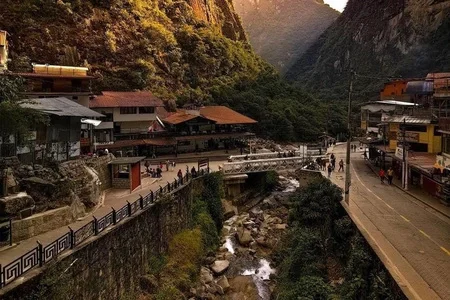
After winding through the valley, every traveler eventually arrives at Aguas Calientes, also known as Machu Picchu Pueblo — a tiny town surrounded by steep green mountains and the constant sound of the river below. It’s the last stop before the big moment.

Aguas Calientes is pure backpacker territory: narrow streets, hostels stacked on top of each other, coffee shops, pizza places, and travelers trading stories after long hikes. It might look chaotic, but there’s charm in its mix of movement and mist.

To unwind before your visit, soak in the thermal baths that give the town its name — about a 10-minute walk from the center. Or take a short hike to the Mandor Waterfalls, hidden in lush vegetation filled with orchids and hummingbirds.

Most visitors stay for one night. Arriving the afternoon before your visit gives you time to rest, organize your ticket and prepare for an early admission slot. Shuttle departure times and queues can vary, so confirm the current schedule and allow enough time to reach the entrance before the admission time printed on your ticket. Walking uphill is possible, but it is steep and can take considerably longer in rain or humid conditions.

The weather in Machu Picchu Pueblo is humid and can change quickly. Machu Picchu normally receives visitors during the rainy season, but weather, maintenance, landslides, safety conditions or official decisions can temporarily affect trains, buses, trails or specific visitor routes. The Inca Trail network normally closes during February for annual conservation work. Check official notices and confirm your transport before traveling.

Before heading up, make sure to have your ticket, passport, and water bottle ready — there are no shops or restrooms inside the archaeological park. Once inside, take your time. Sit for a moment and listen to the wind — it carries more stories than any guidebook could tell.

🌄 10. Practical Tips for Visiting Machu Picchu

🌄 10. Practical Tips for Visiting Machu Picchu

Small planning decisions can make the difference between a smooth visit and a stressful one. Use the following checklist before traveling.

Book in the Right Order: 
Buy your official Machu Picchu entrance ticket first through the Ministry of Culture’s Tu Boleto platform. After confirming your date, route and admission time, book your train, road transport, accommodation and shuttle arrangements.
Do not assume that every ticket follows the same circuit or visiting schedule. Read all the information printed on your ticket before paying.

Admission Time:
Machu Picchu uses timed admission. Arrive according to the time shown on your ticket and allow enough time for the journey from Machu Picchu Pueblo to the entrance.
Different routes have different access schedules and maximum visiting times. Check the official map and current regulations for your specific route.

What to Bring: 
• The passport or identification document used for the booking.
• Your entrance ticket, available offline or printed as a backup.
• Water in a secure container.
• Non-aerosol sunscreen and insect repellent.
• A rain poncho during the wetter months.
• Comfortable walking shoes with good grip.
• Light layers for changing temperatures.
• Cash in Peruvian soles for services outside the archaeological site.
• A waterproof pouch for your phone, documents and ticket.

What Not to Bring Inside:
• Backpacks, bags or purses larger than 40 × 35 × 20 centimeters.
• Food or kitchenware.
• Umbrellas.
• Tripods, monopods or selfie sticks.
• Drones or other aircraft.
• Aerosol products.
• Alcohol or illegal substances.
• Cigarettes, vaping devices or anything used to start a fire.
• Walking sticks, portable chairs or equipment prohibited by current visitor regulations.

Eat before entering and store prohibited items outside the archaeological site.

Weather:
The drier months generally bring clearer conditions but also higher demand. The wetter months usually bring greener landscapes, more cloud and a greater chance of rain.
Weather in the Andes can change quickly at any time of year. Rain, landslides, maintenance or safety measures can affect roads, railway services, trails and individual Machu Picchu routes.

Practical Reminders:
• Reconfirm your train or road transport shortly before traveling.
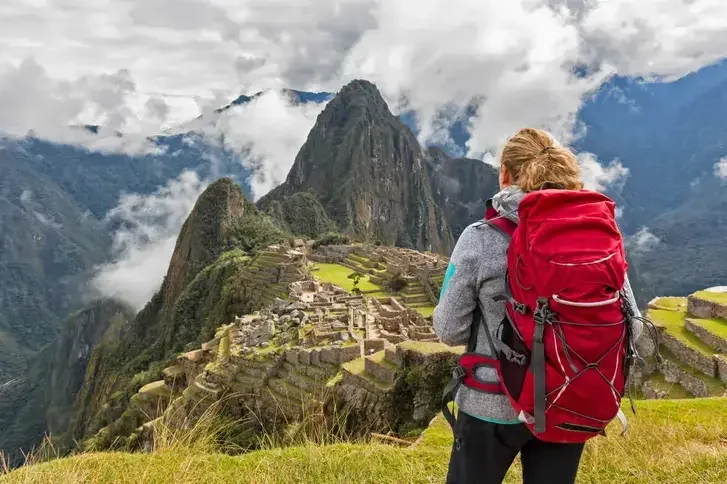
• Allow extra time between your Machu Picchu visit and your return train.
• Do not depend on an in-person entrance ticket unless you can adjust your itinerary.
• Follow the one-way route and instructions from park staff.
• Avoid scheduling an extremely tight connection after leaving the archaeological site.
• Check the official visitor rules again shortly before your visit.

The most reliable plan is one that leaves enough time for transport delays and does not depend on prices, schedules or access conditions remaining unchanged.

🗺️ 11. Suggested Itineraries: Two Ways to Reach Machu Picchu

🗺️ 11. Suggested Itineraries: Two Ways to Reach Machu Picchu

Every traveler moves at a different pace. Whether you want comfort and culture or hiking and sweat, both paths lead to the same wonder.


🚆 A. Without Trekking: 5 Days in the Sacred Valley and Machu Picchu

Day 1: Cusco → Pisac → Overnight in Urubamba
Visit Pisac’s ruins and market on your way down the valley. Adjust to the altitude, eat light, rest well.
Day 2: Chinchero, Maras & Moray → Overnight in Ollantaytambo
See weavers in Chinchero, the circular terraces of Moray, and the salt mines of Maras. Dinner in Ollantaytambo under starlight.
Day 3: Ollantaytambo → Train to Aguas Calientes
Morning visit to the fortress ruins, then hop on the train through mountain tunnels and along the Urubamba River.
Day 4: Machu Picchu → Return to Cusco
Climb at dawn, explore the citadel, and take your time. Afternoon train back toward Cusco.
Day 5: Chill day in Cusco
Coffee in San Blas, local food, maybe one last Pisco Sour. Let the trip sink in.


🥾 B. With Trekking: Classic Inca Trail — 4 Days / 3 Nights, Plus Acclimatization

The Classic Inca Trail itself normally takes four days and three nights. Acclimatization in Cusco should be treated as preparation before the trek, not as the first trekking day.

Day 0: Cusco — Acclimatization and Preparation
Spend at least one or two nights adjusting to the altitude when possible. Rest, hydrate, check your equipment and attend the briefing with your authorized tour operator.
Trek Day 1: Kilometer 82 to the First Campsite
Begin the official Inca Trail and walk through the lower valley and archaeological areas. The exact campsite and distance vary according to the operator’s authorized itinerary.
Trek Day 2: Dead Woman’s Pass
Complete the most physically demanding section of the trek, including the climb toward the highest pass. Walk slowly, stay hydrated and follow the guide’s instructions.
Trek Day 3: Cloud Forest and Archaeological Sites
Continue through changing ecosystems, stone paths and archaeological sites toward the final campsite area. The specific route and campsite depend on the official itinerary.
Trek Day 4: Intipunku, Machu Picchu and Return

Approach Machu Picchu through Intipunku, visit the archaeological site using the circuit assigned under the current official rules, and then continue to Machu Picchu Pueblo for the return journey.

The Inca Trail network normally closes during February for annual maintenance and conservation. Confirm the current closure dates, permit conditions and the Machu Picchu route included with your authorized operator.

Other Options:
Salkantay Trek: a high-altitude route combining mountain and cloud-forest landscapes.
• Inca Jungle Trek: a mixed itinerary that may combine hiking, cycling, rafting or ziplining.
• Lares Trek: an Andean route focused on mountain scenery and rural communities.

These alternative treks normally connect with Machu Picchu Pueblo or another transport point before the archaeological visit. Confirm the entrance ticket, circuit and transport included in each package.

🌿 12. Closing: Machu Picchu, More Than a Destination

🌿 12. Closing: Machu Picchu, More Than a Destination

Standing before Machu Picchu at sunrise, the world goes quiet. The clouds drift, the stones warm under the light, and you realize this city was built as much on belief as on stone.

Machu Picchu isn’t just an archaeological site — it’s a dialogue between humans and the mountain. The Incas placed it precisely where the sky, water, and earth meet. You don’t visit it; you’re invited to it.

The Sacred Valley, with its terraces, weaving villages, and ancient paths, teaches balance — between nature and culture, effort and awe. Each step here reminds you that travel can be more than movement; it can be gratitude.

Most travelers leave thinking they’ve reached the end of a journey, but really, something opens. Maybe it’s perspective. Maybe it’s the echo of the river winding below. Whatever it is, it lingers.

So take one last deep breath before leaving. Let the sound of the wind carry that moment with you — no souvenir can hold it better.

And if you’re hungry for what’s next, explore more of Peru through the Pariwana Hostels Blog — where every adventure starts with a good story, a shared table, and a backpack waiting for the next sunrise.

Frequently Asked Questions About Machu Picchu and the Sacred Valley

Quick answers about tickets, routes, transport, accommodation and planning your trip from Cusco.

Is Machu Picchu open in February?

Machu Picchu normally receives visitors in February, but the official Inca Trail network normally closes during that month for annual conservation work. Heavy rain, landslides, maintenance or official safety decisions can also affect trains, roads, trails or specific visitor routes, so check current notices before traveling.

Which Machu Picchu route is best for a first visit?

Routes 2-A and 2-B are generally the first options to check because they focus on the classic archaeological experience and combine important viewpoints with urban sectors. Availability can disappear quickly, and no single route includes every area of Machu Picchu.

Where is the official Machu Picchu ticket website?

The official online sales platform of Peru’s Ministry of Culture is Tu Boleto . Check the selected date, admission time and route carefully before completing the purchase.

How do you get from Cusco to Machu Picchu?

The most common route is to travel from Cusco to Ollantaytambo, take a train to Machu Picchu Pueblo and then continue to the archaeological entrance by official shuttle bus or on foot. The alternative route through Hidroeléctrica normally takes considerably longer and is more dependent on road and weather conditions.

Should you stay in Ollantaytambo or Machu Picchu Pueblo?

Stay in Ollantaytambo if you want to explore its archaeological site and take an early train without returning to Cusco. Stay in Machu Picchu Pueblo if your priority is reducing the journey required on the morning of your Machu Picchu visit. Some itineraries include one night in each place.

How far in advance should you buy Machu Picchu tickets?

Buy your ticket as soon as your travel date is confirmed, particularly if you want Routes 2-A, 2-B or a mountain route during a high-demand period. Ticket availability should determine your train and accommodation schedule, rather than booking transport first and searching for a compatible entrance later.

Can you visit the Sacred Valley and Machu Picchu in two days?

It is possible, but the itinerary is compressed and transport delays leave little room for adjustment. Three or more days provide a better balance: one day for selected Sacred Valley stops, one night in Ollantaytambo or Machu Picchu Pueblo and one day for Machu Picchu.

What is the cheapest way to reach Machu Picchu?

The route through Hidroeléctrica is often the lower-cost alternative, but it takes much longer and includes a substantial walk. It may also be more exposed to rain, road interruptions and landslides. Compare the total journey time, safety and flexibility instead of choosing only by price.

Can you take a backpack inside Machu Picchu?

Small bags are allowed, but backpacks, bags and purses larger than 40 × 35 × 20 centimeters are prohibited. Travel light and leave food, umbrellas, tripods, selfie sticks, aerosols and other prohibited objects outside the archaeological site.

Can you leave your main luggage in Cusco?

Many travelers visit Machu Picchu with a smaller bag and leave their main backpack in Cusco. If you are staying at Pariwana Hostel Cusco , ask reception in advance about the available luggage-storage arrangements and the operating rules that apply to your stay.


🔙 Back to Travel Guides