
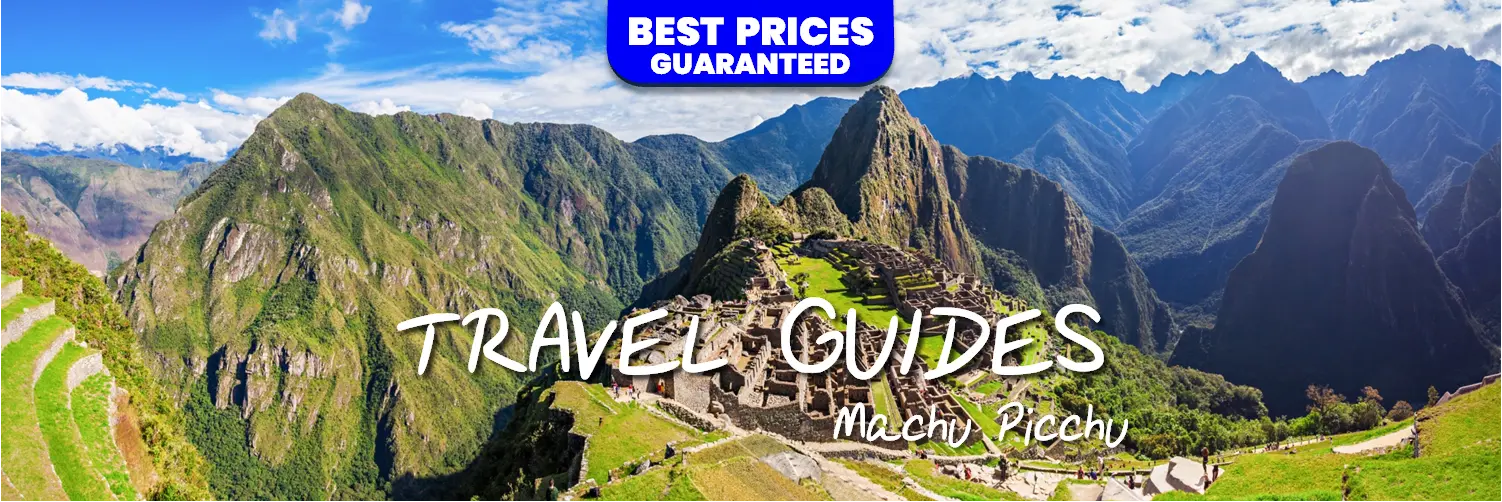


Traveling through Peru often means going from the coast to the Andes in just a few hours. If your route includes Cusco, the Sacred Valley, Machu Picchu, Rainbow Mountain or other high-altitude destinations, it helps to understand what soroche is, how to recognize it and what you can do to acclimatize better.

Soroche, also known as altitude sickness, can happen when your body has not yet adapted to the lower amount of oxygen available at high altitude. In Peru, many travelers feel it when they arrive in Cusco, the Sacred Valley, Machu Picchu, Rainbow Mountain or other Andean destinations.
It does not mean your trip is ruined. In most cases, the key is to slow down, stay hydrated and give your body time to adjust. In simple terms, soroche is a set of symptoms caused by not being fully adapted to altitude.
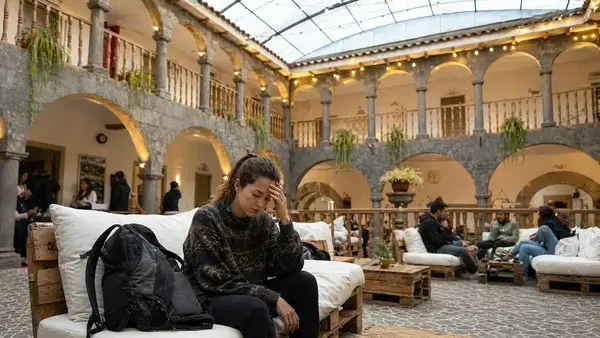
The most common symptoms may include headache, tiredness, trouble sleeping, dizziness, agitation, nausea, vomiting or digestive discomfort. They often appear during the first few hours or the first night at altitude.
Your first day in Cusco is not the time to prove how strong you are. It is the time to listen to your body, move slowly and adapt step by step. Even young, fit or experienced travelers can feel altitude sickness if they go up too fast.
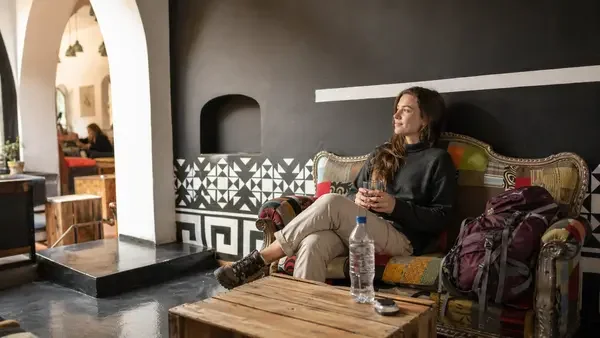
When you arrive in a high-altitude city like Cusco, take the first few hours slowly. Walk at an easy pace, avoid carrying unnecessary weight, drink water and do not fill your first day with demanding tours. Acclimatizing is part of the trip, not a waste of time.
As a practical rule, during the first 24 to 48 hours it is best to avoid alcohol, excesses and intense exercise. Cusco is located at approximately 3,350 meters / 11,000 feet above sea level, so giving your body time to adjust is a smart decision from day one.
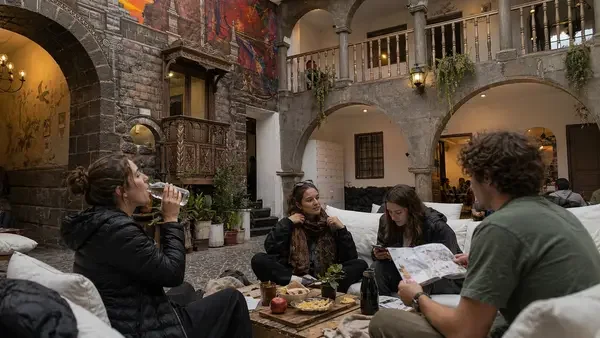
To reduce the risk of soroche, rest when you arrive, stay well hydrated, eat light, keep warm and avoid strong physical effort during the first few days. It is also a good idea to moderate alcohol and tobacco consumption, especially on the first night.
A good approach is to rest on arrival, drink plenty of fluids, avoid greasy food, eat small portions of carbohydrates, avoid intense physical activity during the first days and avoid tranquilizers or sleeping pills unless medically indicated.
A simple rule: drink water before you feel very thirsty, eat before you feel too hungry and rest before your body forces you to stop.

During your first hours at altitude, avoid heavy or greasy meals. Go for simple dishes, soups, light carbohydrates, fruit and water. Coca tea is a local tradition often used by travelers in the Andes, but it does not replace hydration or rest.
It is also better to avoid mixing tiredness, alcohol and altitude. That combination can make you feel worse and make it harder for your body to adjust. For the first day, the best strategy is usually simple: water, light food, rest and easy plans.
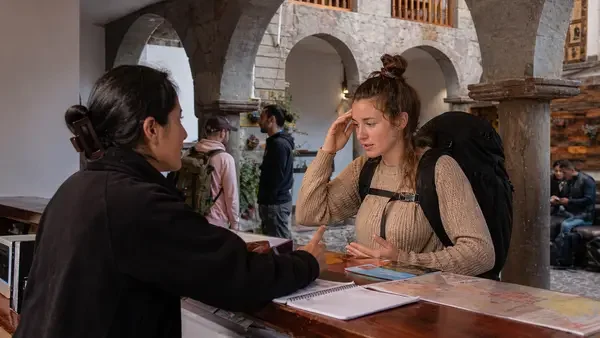
Seek medical help if your symptoms get worse, if you have difficulty breathing while resting, confusion, extreme sleepiness, trouble walking or coordinating movements, a severe headache that does not improve, persistent coughing or a strong feeling of pressure in your chest.
Most travelers only need calm and time to adapt, but some warning signs should not be ignored. If you have symptoms of altitude sickness, avoid continuing higher. If symptoms get worse even after resting, the safest option is to ask for help and descend to a lower altitude when necessary.
At Pariwana Cusco, we have support oxygen available at reception. If you feel unwell or need guidance, let our staff know. You do not have to handle it alone.

If your route continues to Cusco, the Sacred Valley or Machu Picchu, give yourself time to adapt. Sleeping well, taking it easy and planning your first days wisely can make a big difference in how much you enjoy the trip.
At Pariwana Cusco, you can rest, meet other travelers and organize your next tours without rushing. Adventure is better when your body is ready for it too.
Quick answers for travelers heading to Cusco, Machu Picchu, the Sacred Valley or other high-altitude destinations in Peru.

What is soroche?
Soroche, or altitude sickness, is a set of symptoms that can appear when your body has not yet adapted to the lower amount of oxygen available at high altitude. In Peru, many travelers feel it when they arrive in Cusco or other Andean destinations after coming from the coast or from lower-altitude cities.
What are the most common symptoms of soroche?
The most common symptoms are headache, tiredness, dizziness, trouble sleeping, nausea, vomiting or digestive discomfort. In many cases, they appear during the first few hours or the first night at altitude.
How can I prevent altitude sickness in Cusco?
The best approach is to take it easy during the first 24 to 48 hours: rest when you arrive, stay hydrated, eat light, avoid alcohol, skip intense exercise and do not fill your first day with demanding tours. Acclimatizing well can help you enjoy the rest of your trip much more.
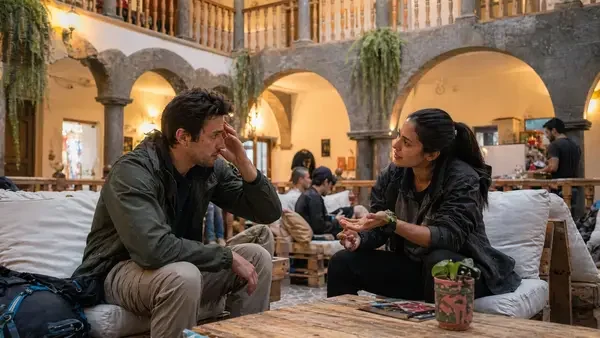
What should I do if I feel sick because of the altitude?
Rest, drink water, avoid physical effort and do not continue going higher if you have symptoms. If your symptoms get worse, if you have difficulty breathing while resting, confusion, extreme sleepiness, a severe headache or trouble walking, seek medical help.
Can Pariwana Cusco help me if I feel unwell?
Yes. At Pariwana Cusco, we have support oxygen available at reception. If you feel unwell or need guidance, let our staff know so they can help you and guide you on the next steps. You do not have to handle it alone.
Important note
This guide is informative and intended for travelers. It does not replace evaluation by a health professional. If your symptoms are intense, get worse or you have difficulty breathing, seek medical attention.