

Humantay Lagoon in Cusco: how to get there, what to pack and tips for an unforgettable hike
Quick Answer
Pariwana’s travel blog gathers articles for young travelers about Peru, Lima, Cusco, local culture, food, adventure, budget travel and practical tips.
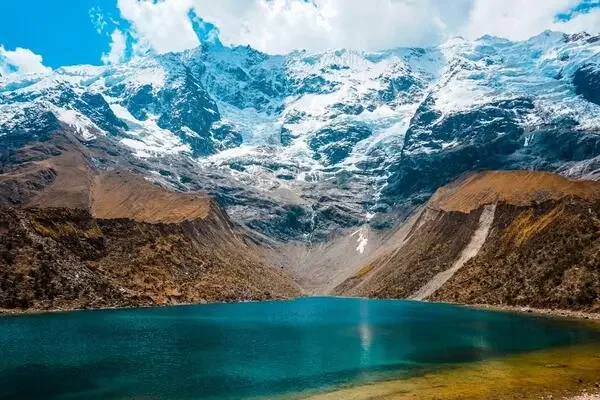
If you are planning your route through southern Peru and want an experience that mixes mountain views, adventure, physical challenge, and a huge visual reward, Humantay Lagoon in Cusco should be high on your list. You may also see travelers search for it as Huamantay Lagoon, but Humantay Lagoon is the most widely used name for this destination. Whatever spelling you find, the place is the same: one of those rare spots that can still surprise people who thought they had already seen the best of Peru.
The photos that made it famous online are not exaggerated. The water really does glow in intense turquoise shades. The setting really is dramatic. The air really is cold and thin. And the mountains around it really do make you feel small in the best possible way. But the experience of visiting Humantay Lagoon is not only about getting a beautiful photo. It is also about the journey: waking up before sunrise, leaving Cusco while the city is still quiet, gaining altitude, walking slowly, breathing deeper than usual, and earning your way into a landscape that feels powerful, peaceful, and deeply Andean.
That is exactly why this day trip has become such a favorite among backpackers, young travelers, couples, friend groups, and people exploring Peru for the first time. It gives you a real sense of adventure without asking for a full week or a major expedition budget. In a single day, you can leave the city, enter a high-altitude mountain setting, complete a challenging but manageable hike, and come back with one of the strongest memories of your trip.
Humantay also works really well inside a flexible Peru itinerary. You can do it as a full-day excursion from Cusco or think of it as a small introduction to the wider Salkantay area. If you are researching things to do in Cusco beyond the usual historic-center plan, this is one of the best ways to see a different side of the region. Cusco is not only plazas, churches, markets, and ruins. It is also huge landscapes, snowcapped peaks, glacial lagoons, and those moments where the mountain completely resets your pace.
And the good news is that you do not need to be an elite hiker to enjoy it. You do need to be prepared. You do need to respect the altitude. You do need to bring the right clothes and go in with realistic expectations. That is exactly what this guide is for: to help you decide whether Humantay Lagoon is right for you, explain how to plan it without overcomplicating things, and give you practical advice that makes the whole experience smoother.
If you are still choosing where to stay before the hike, it is worth checking out Pariwana’s hostel in Cusco, especially if you want a social, comfortable base that makes early tour departures easier and helps you connect with other travelers planning similar day trips.
Where is Humantay Lagoon and why is it so popular?
Humantay Lagoon is located near Soraypampa, in the mountain area associated with the famous Salkantay route, not far from Cusco. Part of what makes the destination so special is that it feels dramatic from the very beginning. Even before you start walking, you already know you are heading into a much bigger landscape than the city itself. The terrain opens up, the air changes, the mountains begin to dominate the horizon, and the entire day starts to feel like a proper adventure.
Its popularity comes from a combination that works almost perfectly for modern travelers. First, it is visually stunning. Second, it is doable in one day. Third, it gives you a genuine sense of effort and reward. And fourth, it fits very naturally into a Peru travel guide style route that includes Cusco, Sacred Valley, and Machu Picchu. That balance is hard to beat.
For many young travelers, Humantay is the ideal answer to the question: “What can I do in Cusco if I want nature, movement, and amazing views without committing to a long trek?” It is challenging enough to feel meaningful but accessible enough for a huge range of visitors. That makes it especially attractive for people on limited time, backpackers managing a budget, and travelers who want a memorable day without completely rearranging their trip.
There is also an emotional reason why so many people talk about it. The walk forces you to slow down. At this altitude, you cannot fake your pace. You move one step at a time, breathe, pause, look around, and keep going. That creates a stronger connection with the place. You do not just arrive at Humantay Lagoon like you would arrive at a random viewpoint. You feel like you earned the landscape. And that changes the way the destination stays with you.
If you want a broader sense of how this excursion fits into the region, this Cusco travel guide for travelers can help you organize acclimatization days, city plans, and other activities around your hike.
How to get to Humantay Lagoon from Cusco
The most common way to visit Humantay Lagoon is by joining a full-day tour from Cusco. For most travelers, that is the easiest and most practical option. Tours usually leave very early in the morning, include transportation to the starting area, and then bring you back to Cusco later in the day. If your priority is convenience, this is hard to beat.
Going with a tour solves the most annoying part of the logistics: leaving the city before dawn, figuring out transport connections in a mountain area, and coordinating your return. When everything is already arranged, you can focus your energy on the hike itself instead of stressing about schedules and route details.
This matters more than people think. Humantay Lagoon is not just a sightseeing stop. It is a high-altitude experience, and the energy you save before the hike can make a big difference once you are actually climbing. Starting the day organized, rested, and hydrated helps a lot.
Some independent travelers do try to organize the route with more flexibility, especially if they prefer moving at their own pace or already know the region well. That can work, but it usually requires more planning and more time. And in a destination like this, “doing it independently” does not always mean “doing it more comfortably.” Sometimes it simply means adding extra effort to a day that is already physically demanding.
The most important thing to understand is that the hike begins in Soraypampa, which is already at very high altitude. So even before your legs start working hard, your body is already adapting. That is why it helps to take the previous evening seriously: sleep enough, avoid overdoing nightlife, prepare your clothes in advance, and give yourself the best possible start.
A smart strategy for many travelers is to spend a couple of days in Cusco first, walk around the city, eat well, rest, and let the body adjust before doing Humantay. If you are planning a broader route through the country, this backpacker’s guide to Peru can help you decide where this adventure makes the most sense inside your trip.
What the hike is really like: distance, difficulty, and how hard it feels
This is the question almost everyone asks after seeing the photos: “Okay, but how difficult is it really?” The honest answer is simple: the hike to Humantay Lagoon is not extremely long, but it can feel intense because of the altitude and the steep final sections. It is not usually the kind of trek that destroys people because of distance. What makes it challenging is the thin air, the climb, and the need to pace yourself.
The trail begins in an open landscape where the views already start rewarding you. As you move higher, the incline becomes more noticeable and your breathing usually changes fast. Even people who exercise regularly can feel slower than expected. That is completely normal. High altitude does not care how strong your ego is. It cares how smart your pace is.
The best approach is to walk slowly and consistently. Small steps. Steady breathing. No rush. A very common mistake is trying to power through the beginning as if you were hiking at sea level. That usually ends in frustration, headaches, extra fatigue, or too many unnecessary stops. Humantay is much kinder when you accept from the start that this is a slow-and-steady mountain day.
Another thing to keep in mind is that the same trail can feel very different depending on your acclimatization. For someone who has spent two or three days in Cusco and stayed active, the hike may feel demanding but manageable. For someone who just arrived from Lima or another low-altitude destination, slept badly, and is slightly dehydrated, it may feel much tougher. That is why online reviews vary so much. The route is the same, but each body experiences altitude differently.
If you are traveling solo, this day trip is also great for meeting people. There is something about shared effort that makes conversation happen naturally. Someone asks if you are okay, someone jokes about the altitude, someone offers to take your photo, and suddenly you are planning dinner in Cusco together. That social side fits perfectly with the atmosphere many backpackers want from hostels in Cusco.
The reward at the top: why Humantay Lagoon feels so impressive
Some places are beautiful all day long, and some places hit hardest the moment you finally arrive. Humantay Lagoon belongs to the second type. After the climb, when the lagoon opens in front of you, the reaction is usually immediate: now you understand why so many people talk about it.
The water color is what most people remember first. Depending on the light, weather, and season, it can look bright turquoise, deep green-blue, or almost unreal in photographs. But the real magic is not only the color. It is the full contrast of the scene. You arrive slightly breathless, with cold air on your face and tired legs, and suddenly everything becomes still. The water, the mountain backdrop, the silence, the light, the open space: it all comes together in a way that feels much more powerful than any single photo can show.
That transition from effort to stillness is part of what makes Humantay so memorable. You do not just see the lagoon. You feel the moment of arrival. And that emotional shift is often what travelers remember months later, even more than the actual images on their phone.
Many people sit quietly for a while, take a few pictures, drink water, catch their breath, and simply stare. That is a good instinct. Yes, you will want photos, and yes, the place is incredibly photogenic. But it is worth giving yourself a few minutes without a screen. Some destinations deserve a bit more attention than just content creation.
There is also an important cultural layer to remember. In the Andes, mountains and water are not only scenic elements. They can carry spiritual meaning connected to local traditions, respect for nature, and relationships with the land. Visiting with that mindset changes the experience. You are not entering a decorative landscape. You are entering a place that many people understand as meaningful and alive.
If this day trip leaves you wanting more of the sacred and mountainous side of the region, this backpacker guide to Machu Picchu and the Sacred Valley is a great next read to continue building your Cusco route.
Best time to visit Humantay Lagoon
One of the most common planning questions is when to go. In general, the dry season usually offers the most comfortable and predictable hiking conditions, with a better chance of clear views and less muddy ground. That does not mean Humantay is impossible during other times of the year. It just means the overall experience can change a lot depending on the season.
In drier months, skies tend to be more stable and the classic postcard view is more likely: bright water, clear mountain contours, and a cleaner trail underfoot. If your dream is the most photogenic version of the experience, this is the safest bet.
During the rainy season, the landscape can feel greener and more dramatic, but also more unpredictable. You might get lucky with a beautiful morning, or you might deal with clouds, drizzle, muddy sections, and limited visibility. Some travelers enjoy that moodier version of the mountain and do not mind adapting. Others prefer fewer variables and a more straightforward day.
Either way, there is one rule that always applies in the Andes: mountain weather can change quickly. A morning that starts clear can turn colder, windier, or cloudier faster than expected. That is why dressing in layers is one of the smartest decisions you can make.
It also helps to think about crowds. Humantay is one of the best-known day hikes near Cusco, so depending on the season and day of the week, there may be plenty of other visitors. Starting early and staying organized helps you enjoy the place before it feels too busy.
What to pack for Humantay Lagoon: what actually matters
The difference between enjoying this hike and making it unnecessarily hard usually comes down to a few practical decisions. You do not need extreme technical gear, but you do need to pack smart.
The first essential is good footwear. Wear shoes or boots with solid grip. The trail can include loose ground, rocky sections, and wet patches depending on the season. Going with flat, slippery, or uncomfortable shoes is one of the fastest ways to ruin the experience.
The second essential is layered clothing. A breathable base layer, a warm middle layer, and a light outer layer for wind or unexpected rain usually work well. The morning can feel freezing, the hike itself will warm you up, and the top can become cold again once you stop moving. Layers let you adjust without trouble.
Do not underestimate the sun at high altitude. Bring sunscreen, sunglasses, and ideally a cap or hat. Cold weather tricks a lot of travelers into forgetting how intense the sun can be in the mountains. Getting burned while freezing is very possible.
You should also carry enough water. It sounds obvious, but many people underestimate hydration before and during the hike. A reusable water bottle and a few simple snacks like fruit, nuts, or an energy bar can make a real difference once the climb starts feeling heavier.
A light backpack is another underrated advantage. The less extra weight you carry, the more pleasant the trail feels. This is not the day to bring your whole travel setup just because it fits in your bag.
If you are traveling on a budget, preparing well the night before is part of good planning too. Sleep enough, keep dinner simple, organize your clothes, and make the morning as easy as possible. And if you want a place where it is easy to ask for tour tips, find people to go with, or check what to do later in town, have a look at Pariwana Cusco’s activity lineup, which fits really well with travelers balancing adventure by day and social plans at night.
Altitude, acclimatization, and mistakes you should avoid
If there is one thing you should never underestimate at Humantay Lagoon, it is altitude. A lot of people focus on the trail, the photos, the weather, or the tour price, but forget the most important part: the body needs time to adapt. And when that process is ignored, even a relatively short hike can feel rough.
The best advice is simple: do not plan Humantay for the same day you arrive in Cusco, or even the very next day, if you are coming from low altitude. Give your body time. Walk around the city, climb a few stairs slowly, rest, drink water, eat lightly, and pay attention to how you feel. That one decision can completely change your experience.
Another common mistake is going after a heavy night out. Cusco has a fun social scene, and that is part of why travelers love it. But combining little sleep, alcohol, dehydration, and a high-altitude hike is rarely a smart move. If Humantay matters to you, treat the night before as part of the plan.
It also helps to keep breakfast balanced. Too little food can leave you weak, but too much heavy food may make the climb feel worse. The goal is energy without discomfort.
Most importantly, be realistic with yourself. If you need extra stops, take them. If you are slower than expected, that is fine. If your breathing feels harder than normal, that is also part of being at altitude. There is no prize for pretending the mountain is easier than it is.
Some travelers bring coca candies, coca tea, or personal acclimatization habits they swear by. That is up to each person. But nothing replaces the basics: time, hydration, sleep, patience, and common sense. If your body tells you to slow down, listen.
Is it better to go with a tour or independently?
For most travelers spending only a few days in Cusco, going with a tour is worth it. Not because it is the only way, but because it simplifies a day that starts early, happens at high altitude, and already asks a lot from your body. Having transport and timing sorted gives you more mental space to enjoy the hike.
Tours are also especially good for solo travelers. Shared vans, shared breakfast stops, shared effort, shared photos, shared tiredness on the way back: all of that makes Humantay one of those excursions where meeting people happens naturally. If one of your travel goals is to connect with others, this day trip can help a lot.
That said, some travelers genuinely prefer more independence. They like controlling their schedule, making their own stops, or avoiding group dynamics. That can be a valid choice, but only if you are realistic about the extra planning involved.
The main thing is not to idealize “doing it on your own” if it is only going to make the day more stressful. On short trips, saving energy and decision-making can be just as valuable as saving money.
How to fit Humantay Lagoon into your Cusco and Peru itinerary
Humantay works best when you do not treat it as a random extra, but as part of a well-paced route. If you are spending several days in Cusco, a smart order is usually this: first acclimatize, then do city and cultural plans, then add a nature-heavy day like Humantay, and only after that consider longer or more demanding adventures.
For example, you could use your first days in Cusco to explore plazas, markets, viewpoints, museums, cafés, and local food. That gives your body time to adjust while still enjoying the city. Then you do Humantay as a major day trip. After that, you continue with Sacred Valley, archaeological sites, or the journey toward Machu Picchu. For a lot of travelers, that order simply feels better.
Humantay also fits perfectly inside a Peru 2 week itinerary, especially if you begin in Lima, then head to Cusco for the Andean part of the trip. Many travelers spend a few days in a hostel in Lima first, enjoying the coast, food scene, and city life, and then move on to the mountains for a completely different energy. That contrast is one of the best things about backpacking Peru.
If your trip has a backpacker mindset, Humantay is also a very strong answer to the question of what to do in Cusco beyond the obvious highlights. The region offers much more than one famous wonder, and this lagoon proves it beautifully.
Responsible travel: how to enjoy Humantay without damaging it
The more famous a natural destination becomes, the more important it is to talk about behavior. Humantay Lagoon does not need more careless visitors. It needs better ones. That means not leaving trash, not stepping off the trail unnecessarily, not shouting over the landscape, and not treating the place like a disposable content set.
That may sound basic, but not everyone follows it. In highly photographed destinations, it is easy for people to switch into performance mode and forget they are standing inside a fragile environment. The beauty of Humantay depends on travelers acting like guests, not owners.
It is also worth respecting the rhythm of the place. Not every experience has to be rushed. Sometimes the best way to enjoy the mountain is simply to be quieter, look longer, and consume less. That attitude protects the landscape, but it also gives you a better experience.
So, is Humantay Lagoon worth it?
Yes, absolutely. But it is worth it most when you go with the right expectations. Humantay Lagoon is not the kind of stop where you get out of a van, walk five easy minutes, and collect a quick scenic reward. It is a real mountain experience, even if it is accessible to many travelers. It asks you to wake up early, breathe hard, respect the altitude, and move patiently. In return, it gives you one of the most dramatic and memorable natural scenes in the Cusco region.
It is ideal for travelers who want adventure and nature in a single day, for people who enjoy places that feel earned, for backpackers looking for unforgettable views, and for anyone who understands that the best travel memories are not only monuments and museums, but also physical and emotional moments in the landscape.
If you are choosing between different day trips from Cusco, Humantay has one huge advantage: it stays with you. Not only because of the final view, but because of the whole process of getting there. And in a time when so many trips get reduced to checklists and social media highlights, that matters.
So yes, if you are in Cusco, already acclimatized, and looking for a day that combines challenge, beauty, and strong Andean energy, Humantay Lagoon deserves a place in your route. Months later, when you look back at the photos, you probably will not remember only the color of the water. You will remember the cold air, the slow breathing, the effort in your legs, and the exact feeling of arriving.
✍️ Pariwana Editorial Team
Practical travel tips written by backpackers, for backpackers.
A practical backpacker guide to Cusco’s weather, seasons, altitude and temperatures