


How to Bargain in Peru: Where to Negotiate Prices (and Where Not To)
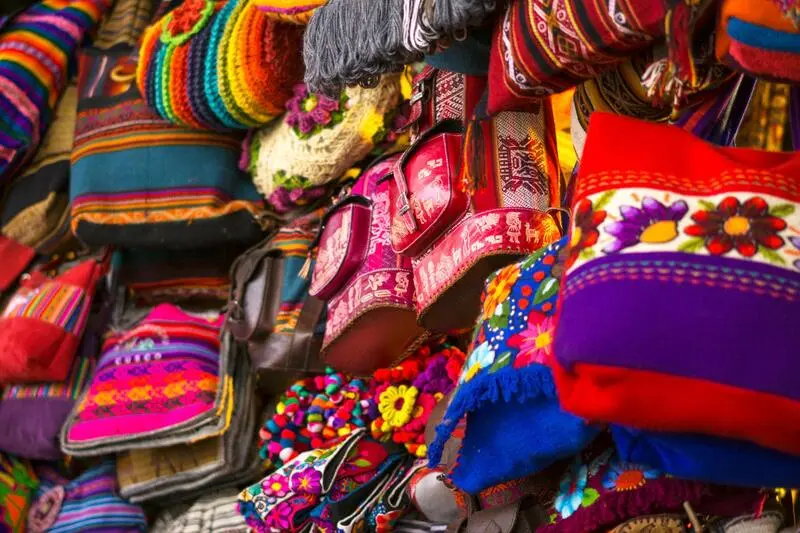
Traveling through Peru means colorful markets, artisan stalls full of alpaca textiles, taxi drivers calling out prices, and vendors saying, “Good price, my friend.” Sooner or later, every traveler asks the same question:
Can you bargain in Peru?
The short answer is yes — but not everywhere.
Bargaining exists in Peru, but it follows clear cultural rules. It’s not a competition, and it’s definitely not about trying to push prices down as much as possible. It’s usually a short, respectful negotiation that takes place in traditional settings.
If you’re backpacking in Peru or simply want to avoid overpaying without making things awkward, here’s exactly where bargaining is acceptable, how much you can realistically negotiate, and where prices are strictly fixed.
🇵🇪 Is Bargaining Normal in Peru?
Yes — but mainly in informal or traditional contexts.
Peru is not a country where bargaining is expected everywhere. Understanding the difference between traditional commerce and modern retail is essential.
✔️ Places Where You Can Bargain
Traditional local markets
Artisan markets
Street fairs
Some taxis without apps or meters
❌ Places Where You Should Not Bargain
Supermarkets
Department stores
Shopping malls
Restaurants
Cafés
Bars
Formal shops with labeled prices
Ride-share apps (Uber, Cabify, DiDi, etc.)
Trying to negotiate in modern retail settings is generally inappropriate.
🧺 Traditional Markets: The Classic Place to Negotiate
If there’s one place where bargaining is culturally accepted, it’s in traditional markets.
In cities like Lima, Cusco, and Arequipa, markets sell:
Fresh produce
Handmade goods
Souvenirs
Textiles
Jewelry
Local crafts
When it comes to handicrafts or souvenirs, there’s usually a small margin for negotiation.
💰 How Much Can You Realistically Lower the Price?
In Peru, bargaining typically stays within a 10–20% range.
It rarely goes beyond that.
For example:
If an item costs 100 soles:
A reasonable counteroffer would be 85 or 90 soles.
Offering 50 soles would likely feel disrespectful.
The goal isn’t to “win.” It’s to reach a fair middle ground.
🎨 Artisan Markets: The Most Common Bargaining Spot
Artisan markets are where most travelers try to negotiate.
You’ll find:
Alpaca sweaters
Handmade scarves
Silver jewelry
Ceramics
Paintings
Decorative crafts
Many vendors expect some negotiation and may build a small margin into the initial price.
However, remember something important:
These items are often handmade. Bargaining aggressively over a small difference can feel insensitive.
Negotiating is fine. Exploiting is not.
🚕 Taxis in Peru: Always Agree on the Price First
Transportation is slightly different.
In major cities like Lima, ride-share apps are common. If you’re using an app:
❌ No bargaining.
The price is fixed.
But if you take a traditional street taxi (without a meter or app), you should:
👉 Agree on the price before getting in.
This is standard practice.
You can usually negotiate within that same 10–20% range.
For example:
Driver says: “30 soles.”
You respond: “25?”
If they agree, great. If not, you can decide whether to accept or find another taxi.
This kind of negotiation is normal and not considered rude if done respectfully.
🍽️ Where You Should Never Bargain
This is important.
Do not try to negotiate in:
Restaurants
Coffee shops
Bars
Supermarkets
Shopping malls
Formal clothing stores
Any modern retail business
Prices in these places are fixed.
Peru has a dual commercial system: traditional markets (flexible) and modern retail (fixed). Bargaining belongs only in the traditional side.
😅 Common Mistakes Travelers Make
Many backpackers unintentionally create awkward situations.
1️⃣ Trying to Cut the Price in Half
A 50% discount request is almost always excessive.
2️⃣ Bargaining Automatically
Just because bargaining is possible doesn’t mean it’s required.
3️⃣ Ignoring the Local Economy
A small amount for you might matter more to the vendor.
4️⃣ Negotiating in the Wrong Context
Modern stores are not the place for it.
🤝 How to Bargain Without Being Disrespectful
The best negotiations in Peru are friendly.
Smile. Keep your tone light. Avoid confrontation.
Useful phrases:
“Is that your best price?”
“Can you improve the price a little?”
“If I buy two, can you give me a discount?”
If the vendor says no, accept it gracefully.
It’s a conversation — not a battle.
🎒 Should You Always Try to Bargain?
Not necessarily.
If the price feels fair and affordable, paying the asking price is perfectly fine.
Many handcrafted items don’t have huge profit margins. Being a responsible traveler means balancing savings with fairness.
🌎 Lima vs. Cusco: Is It Different?
In Cusco and other highly touristic areas, vendors may include a slightly higher margin because bargaining is expected.
In Lima, especially outside tourist zones, prices may be more fixed.
In artisan markets in Cusco:
Negotiation is more common.
But competition between vendors is also higher.
In Lima:
There may be less flexibility in some cases.
⚖️ The Ethics of Bargaining
Bargaining is a cultural practice, not a strategy to minimize every expense.
A 10–15% reduction is reasonable.
Trying to reduce handcrafted goods by half likely isn’t.
Traveling well means knowing when to negotiate — and when to simply appreciate the value.
✨ Final Takeaway
Yes, you can bargain in Peru.
But only in specific contexts:
✔ Traditional markets
✔ Artisan markets
✔ Taxis without apps
And always within a realistic range (10–20%).
Do not bargain in restaurants, supermarkets, or modern stores.
If you negotiate with respect, a smile, and cultural awareness, it becomes part of the experience — not an uncomfortable moment.
Travel smart. Travel respectfully. And know the difference.
✍️ Pariwana Editorial Team
Practical travel tips written by backpackers, for backpackers.
Everything you need to enjoy Inti Raymi in Cusco, from tickets and lodging to local culture and travel tips.