
Andean Food in Peru: What to Try in the Andes as a Backpacker

Traveling through the Peruvian Andes is not just about hiking dramatic landscapes, wandering colonial streets in Cusco, or ticking Machu Picchu off your bucket list. It’s also about sitting down at a simple table — maybe in a local market, maybe in a family-run restaurant — and realizing that Andean food is one of the most authentic experiences you can have in Peru.
If you're planning to travel to Peru, organizing your backpacking route through Cusco and the southern Andes, or simply wondering what to eat in the Andes, this guide is for you.
This is not just a list of dishes.
You’ll understand:
What Andean food really is
Why it matters culturally
What to try as a backpacker
How much it costs
Where to eat without overspending
And how food connects you to real Andean culture
Because Andean cuisine is not an extra part of your trip.
It is part of the trip.
What Is Andean Food?
Andean food refers to the traditional cuisine developed in the high-altitude regions of the Andes Mountains, particularly in areas like Cusco, Puno, Arequipa, Ayacucho, and the Sacred Valley.
It is built around ingredients that evolved in extreme altitude conditions — cold nights, intense sun, and limited oxygen.
These ingredients sustained entire civilizations long before modern Peru existed.
Many of these regions are connected by the ancient Andean road system known as Qhapaq Ñan, now recognized as a UNESCO World Heritage site. That road system didn’t just connect cities — it connected agricultural knowledge, ingredients, and culinary traditions.
Key staples of traditional Andean cuisine include:
Potatoes (over 3,000 native varieties in Peru)
Quinoa
Cañihua
Tarwi (Andean lupin)
Oca and mashua (Andean tubers)
Andean corn
Chuño (freeze-dried potato)
Alpaca and llama meat
Cuy (guinea pig)
Native herbs from high-altitude ecosystems
This is not “fusion cuisine.”
This is survival cuisine turned into culture.
It is nutritious, hearty, seasonal, and deeply rooted in Andean identity.
Why Andean Food Matters for Backpackers
When backpacking Peru, many travelers focus on:
Trekking routes
Machu Picchu tickets
Rainbow Mountain
Inca history
But if you skip the food, you miss half the story.
Trying traditional Andean dishes allows you to:
Experience local culture beyond museums
Support small family-run businesses
Understand how people live at altitude
Eat affordably while traveling
Connect through shared meals
If you're staying in Cusco, you can combine your food exploration with local tips from the Pariwana Travel Guide – Cusco:
https://www.pariwana-hostel.com/en/pariwana-travel-guide-cusco/
Backpacking Peru is about immersion. And food is immersion.
Essential Andean Dishes to Try
Let’s get practical.
Here are the most important traditional Andean foods you should try while traveling through the Andes.
1. Quinoa: The Ancient Superfood
Quinoa is not a modern health trend. It has been cultivated in the Andes for over 5,000 years.
It was considered sacred by Andean civilizations and was a staple of the Inca Empire.
Why it’s perfect for backpackers:
High protein
Easy to digest
Light but energizing
Great for altitude adjustment
You’ll find quinoa in:
Quinoa soup (perfect first day in Cusco)
Stews with vegetables
Quinoa with chicken
Andean breakfast bowls
Warm quinoa drinks
💰 Average price in local markets: 8–15 soles.
If you’ve just arrived in Cusco and feel the altitude, quinoa soup is your best friend.
2. Native Potatoes: The Real Queen of the Andes
Peru is the birthplace of the potato.
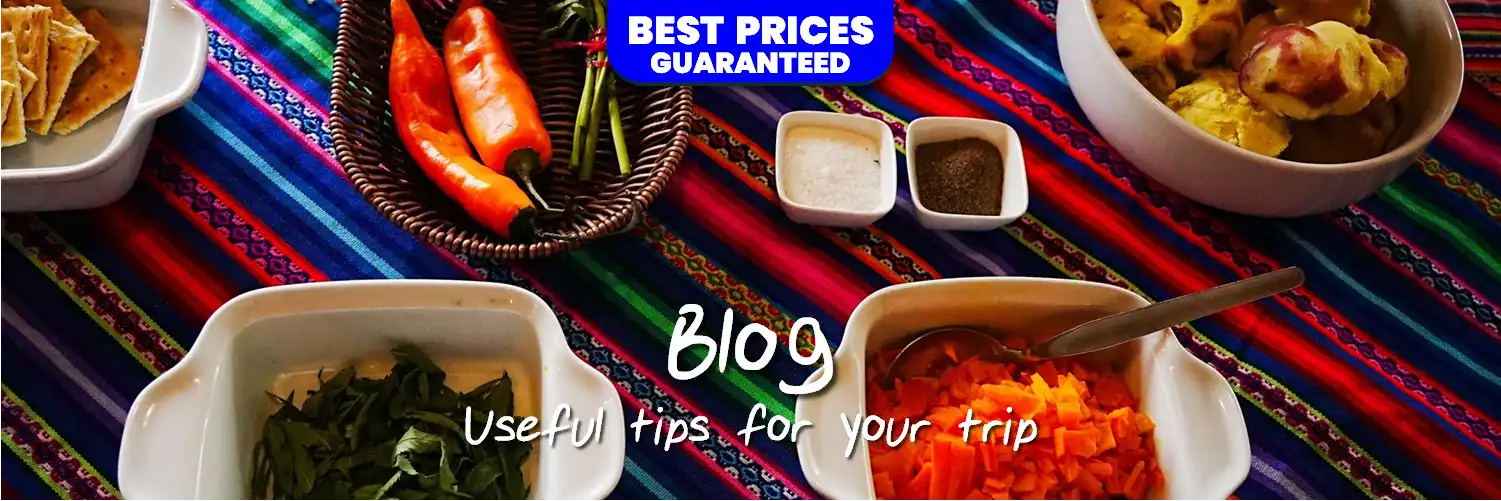
In Andean markets, you’ll see varieties that look nothing like supermarket potatoes: purple, red, yellow, blue, tiny, elongated, almost black.
Potatoes are not just side dishes here. They are central to Andean food identity.
You’ll encounter them in:
Ocopa sauce
Stews
Pachamanca
Cuy dishes
Chupe soups
For backpackers on a budget, potatoes are everywhere — and incredibly affordable.
3. Cuy: Tradition on a Plate
Yes — guinea pig.
Cuy has been eaten in the Andes since pre-Inca times. It is not a tourist gimmick; it is a ceremonial and traditional protein.
It is typically served:
Roasted
Fried
Whole, with potatoes and corn
💰 Average price: 35–60 soles.
Trying cuy is a personal decision. But understanding its cultural significance is important.
In Andean communities, cuy symbolizes celebration, prosperity, and continuity of tradition.
If you decide to try it, choose a traditional restaurant recommended by locals rather than a place that treats it as a spectacle.
4. Pachamanca: Underground Cooking Ceremony
Pachamanca is not just a dish — it’s a ritual.
It involves cooking meat (chicken, pork, lamb), potatoes, corn, and beans underground using hot stones.
The name comes from Quechua:
“Pacha” = earth
“Manca” = pot
It is closely tied to the Andean concept of Pachamama (Mother Earth).
Eating pachamanca means tasting:
Ancient cooking techniques
Earth-infused flavors
Communal tradition
💰 Prices start around 40 soles, depending on the setting.
If you get the chance to attend a community pachamanca experience, don’t skip it.
5. Chairo: Hearty Highland Soup
Chairo is a thick, nourishing soup common in high-altitude regions.
Ingredients typically include:
Beef or lamb
Chuño (freeze-dried potato)
Carrots and Andean vegetables
Herbs
It’s ideal for cold Andean nights.
💰 10–18 soles.
For backpackers hiking or acclimatizing, chairo is fuel.
6. Alpaca Meat
Alpaca is not just a photo opportunity animal.
Its meat is lean, high in protein, and increasingly popular in Andean restaurants.
You’ll find:
Alpaca steak
Alpaca skewers
Alpaca stews
The flavor is mild and less intense than you might expect.
7. Andean Trout
Near high-altitude lakes and the Lake Titicaca region, trout is common.
Served:
Fried
Grilled
In sauce
It’s lighter than many other Andean dishes.
8. Tarwi and Cañihua: Hidden Andean Superfoods
Tarwi is an Andean lupin bean rich in protein.
Cañihua is similar to quinoa but smaller and more resistant to extreme conditions.
They are less common in tourist restaurants but still part of traditional Andean cuisine.
Where to Eat Andean Food on a Backpacker Budget
1. Local Markets
Markets are the most authentic and affordable option.
In Cusco, you can find full menus for 10–15 soles.
Usually includes:
Soup
Main dish
Drink
Cash is recommended.
2. “Menu del Día” Restaurants
Look for chalkboards outside restaurants advertising “Menú.”
These are local lunch deals including:
Starter
Main course
Drink
💰 12–20 soles.
3. Hostel Recommendations
If you're staying in Cusco, check the Pariwana Cusco Activity Lineup:
https://www.pariwana-hostel.com/en/pariwana-cuscos-activity-lineup/
Staff often know the best affordable, authentic spots nearby.
If you're choosing where to stay to maximize your Andean food exploration, you can check:
https://www.pariwana-hostel.com/en/hostels/cusco/
Location matters when you're exploring markets and traditional restaurants.
How Much Should Backpackers Budget for Food in the Andes?
Estimated daily food budget:
Breakfast: 5–10 soles
Lunch menu: 12–20 soles
Simple dinner: 15–25 soles
Special dish (cuy/pachamanca): 40–60 soles
💰 Average daily food cost: 30–60 soles.
Compared to Europe or North America, Andean food in Peru is very affordable.
Andean Food and Sustainability
One powerful aspect of traditional Andean cuisine is sustainability.
Many ingredients:
Are grown in ancestral terraces
Require minimal industrial processing
Are adapted naturally to altitude
Eating in markets and small restaurants directly supports local families and traditional agriculture.
As a backpacker, your food choices have impact.
Cusco vs Other Andean Regions
Cusco is one of the best places to explore Andean cuisine because it combines:
Cultural depth
Accessibility
Variety
Budget-friendly options
It’s also one of the easiest places for backpackers to try traditional dishes safely and affordably.
Practical Tips for First-Time Travelers
Start with soups on your first day at altitude.
Stay hydrated.
Don’t experiment too aggressively on arrival.
Carry small bills for markets.
Observe where locals eat.
Ask about ingredients if you have dietary restrictions.
Food as Cultural Bridge
Backpacking is not about collecting destinations.
It’s about understanding places.
Andean food teaches you:
History without a classroom
Culture without a lecture
Tradition without performance
You taste adaptation.
You taste resilience.
You taste identity.
Final Thoughts: Traveling the Andes Means Eating the Andes
If you’re planning your Peru itinerary, don’t limit your experience to landmarks.
Include:
Quinoa soup in Cusco
A thoughtful decision about trying cuy
A pachamanca experience
Native potatoes from a local market
Conversations over simple, traditional meals
Because Andean food in Peru is not just something you eat.
It’s something you experience.
And when you go home, you may remember those flavors as clearly as the mountains.
✍️ Pariwana Editorial Team
Practical travel tips written by backpackers, for backpackers.

From ceviche to anticuchos: a foodie guide for backpackers in Peru